

Yorkshire Puddings (or Popovers as they are known in the US) are surprisingly easy to make. They require just a few simple ingredients, and the method is practically foolproof if you follow two simple rules.
They are the ultimate vessel for sauce. They are traditionally served with a Sunday Roast Beef, roasted potatoes, and onion gravy. You can use the batter to make the famous gastro pub dish, toad in the hole, or add endless other ingredients.
Most home cooks stress about getting them to rise, but you don't need to.
The secret isn't a complicated cheffy technique. It's just patience.
By resting the batter overnight, you guarantee a hollow, crispy, and tall pudding every single time.

Jump to:
Why The "Overnight Rest" Matters
This is the most critical step. If you make your batter and bake it immediately, your puddings will just be okay. If you want them spectacular, you must let the batter rest.
I recommend resting the batter in the fridge for at least 1 hour, but ideally overnight.
- The Science - Resting allows the gluten in the flour to relax. Relaxed gluten stretches more easily, so the puddings can rise higher without pulling back. It also gives the starch enough time to absorb the liquid, resulting in a softer, more custard-like interior.
Fat temperature
There is a massive myth that your fat needs to be smoking dangerously hot for Yorkshire Puddings to rise.
This is false.
I have tested this extensively. While the fat needs to be hot enough to sizzle when the batter hits it, it does not need to be smoking.
- The Real Secret - It's not the heat of the fat that creates the giant rise-it's the cold rested batter and steady pour.
- The Reaction - When a cold, rested batter hits the hot oil and oven environment, it creates rapid steam, especially on the tray walls. This steam forces the pudding upwards before the structure sets. And because the sides rise, the oil weighs down the center until it eventually tunnels a hole straight through the middle. So, relax. Get your fat hot, but don't let it get to the smoking point.
Which Fat Should You Use?
Since the fat doesn't control the rise, your choice comes down to one thing: Flavor.
- Duck Fat - This is my gold standard. It adds a rich, gamey, savory note that turns a simple side dish into a star.
- The Chef's Blend - I often use a mix of Duck Fat or beef tallow with a splash of olive oil. This stretches the duck fat further and adds a fruity, peppery note.
- Pure olive oil - This might come as a surprise to some, but olive oil never gets hot enough to become unhealthy using my method and temperature, so it's perfectly safe and much healthier than other fats.
- Beef Tallow - The traditional Sunday Roast choice. Heavy and meaty.
- Vegetable or seed Oil - It works perfectly fine for cooking, but it adds zero flavor. Use this only if you have to.
Ingredients
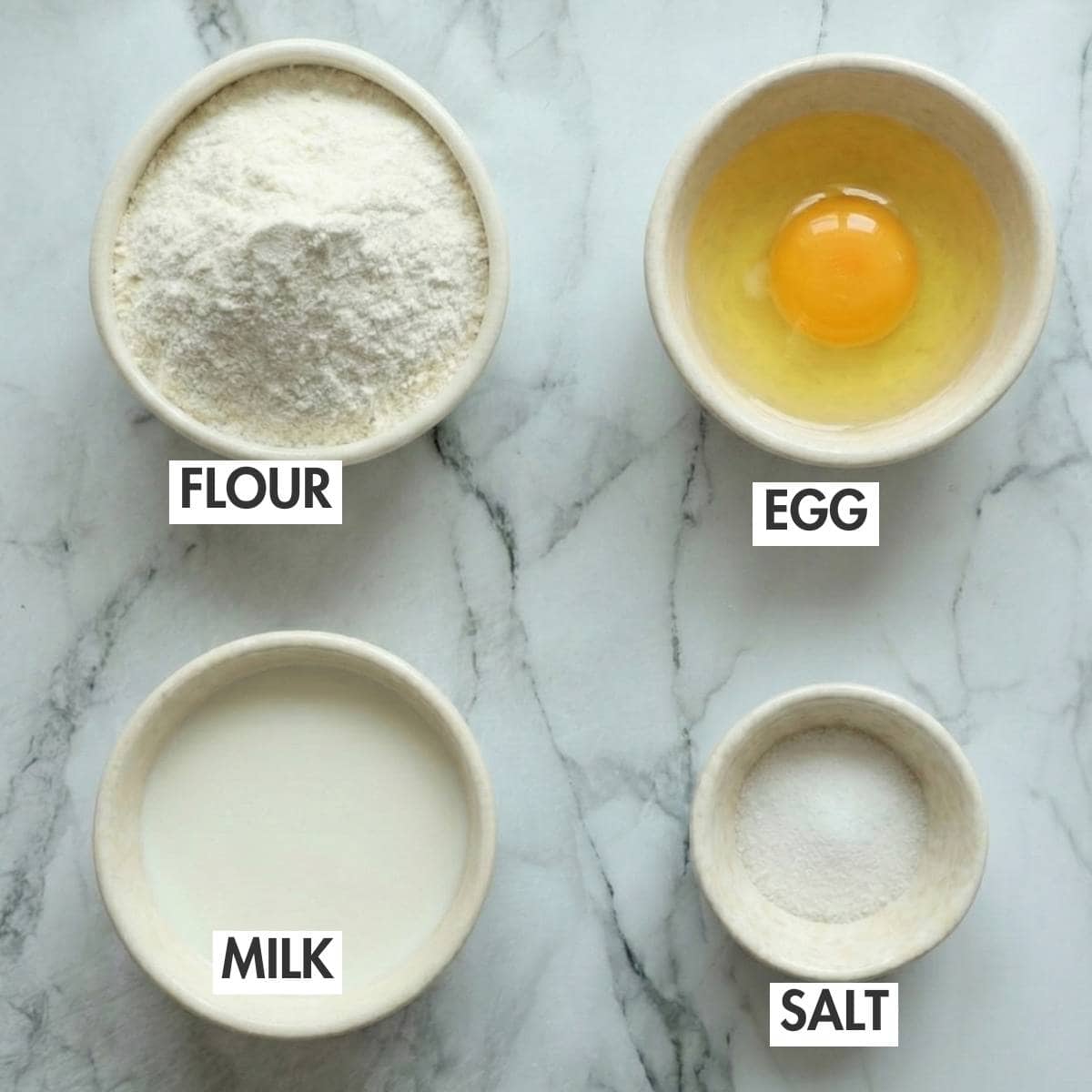
- Flour - Plain flour or bread flour. Do not use self-raising flour, as you'll end up with a weird-looking muffin.
- Milk - Cow's milk. Any type is fine. Alternative vegan milks do work, but you don't get the same tall rise, and you have to be very careful not to end up with a strange flavor.
- Eggs - These are essential to structure and rise as much as the resting. We use whole eggs for the correct protein/fat balance. However, feel free to play around with using only egg whites.
- Salt - This is a must. I forgot to add salt one time, and they were not very nice. So, try and remember)
See recipe card for quantities.
Instructions
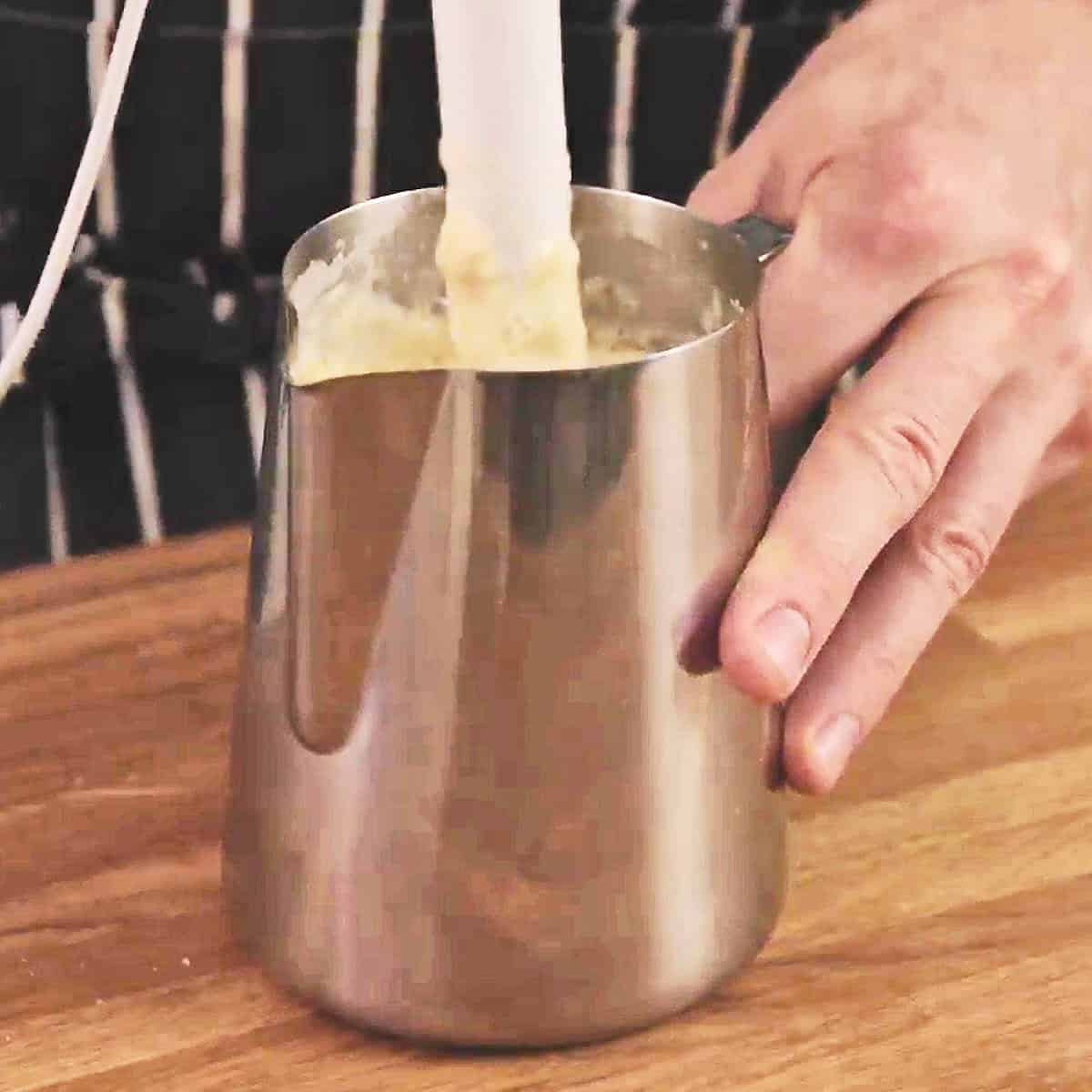
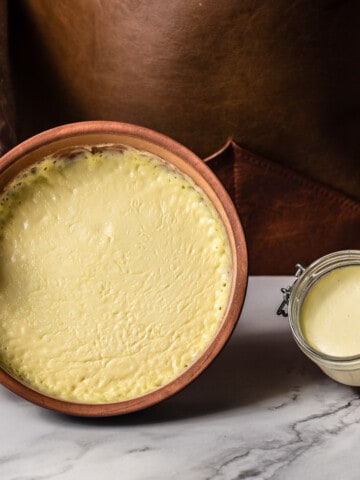
- Place the milk, eggs, flour, and salt into a blender or a jug. Blend or whisk until completely smooth. You want a viscous consistency, similar to heavy cream or crepe batter. It should coat the back of a spoon but drip off easily. Chef's Tip: If you whisk by hand, pass it through a sieve to remove any flour lumps. Pour the batter into a jug (this makes pouring easier later). Cover it and place it in the fridge. Leave it for at least 1 hour, or overnight for the best results.
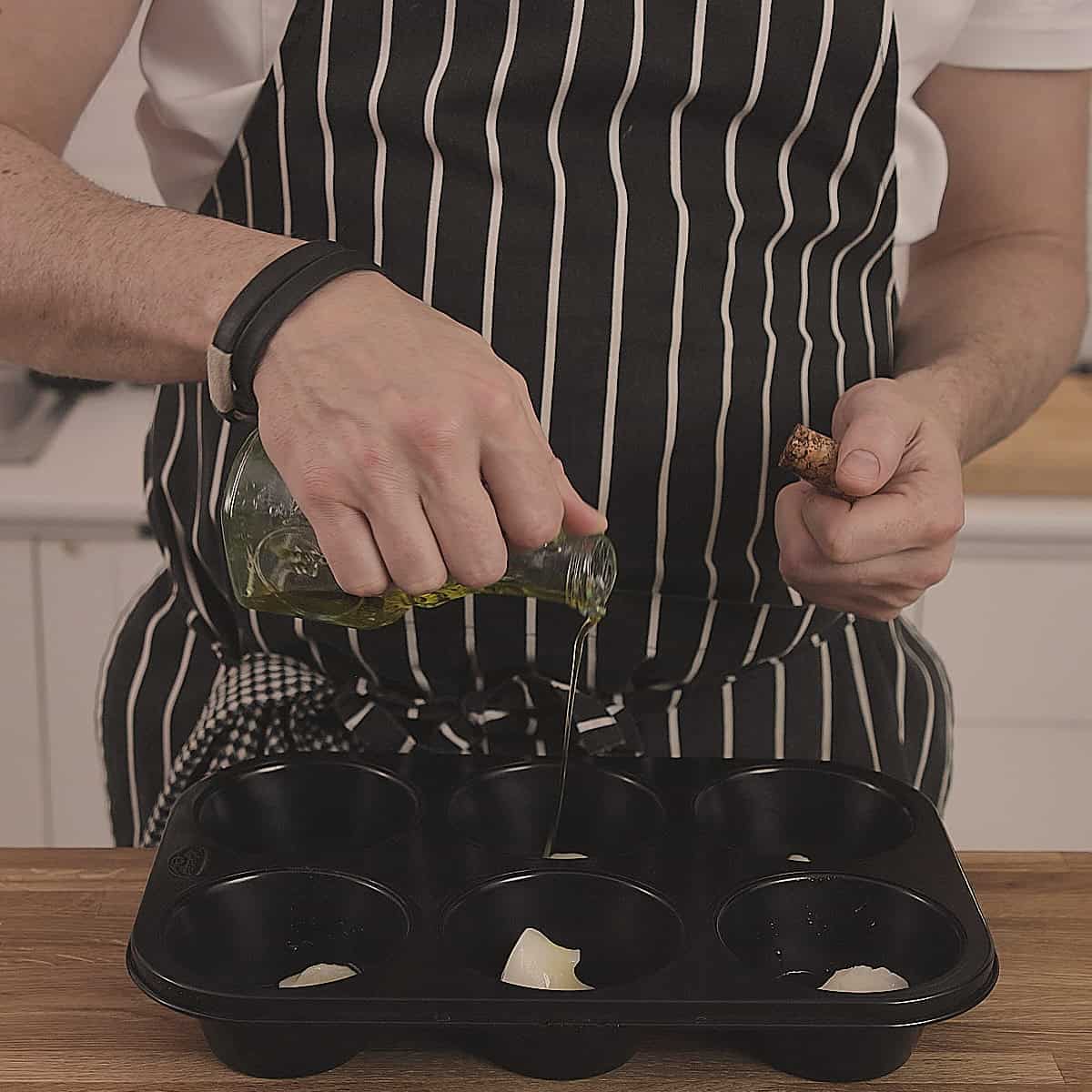
- Preheat your oven to 200°C (390°F). Grab a standard 12/6-hole muffin tin. Place a generous dollop (about 1 tbsp) of duck fat (or your fat/oil mix) into each hole. Put the tin in the oven for 10-15 minutes to heat it.
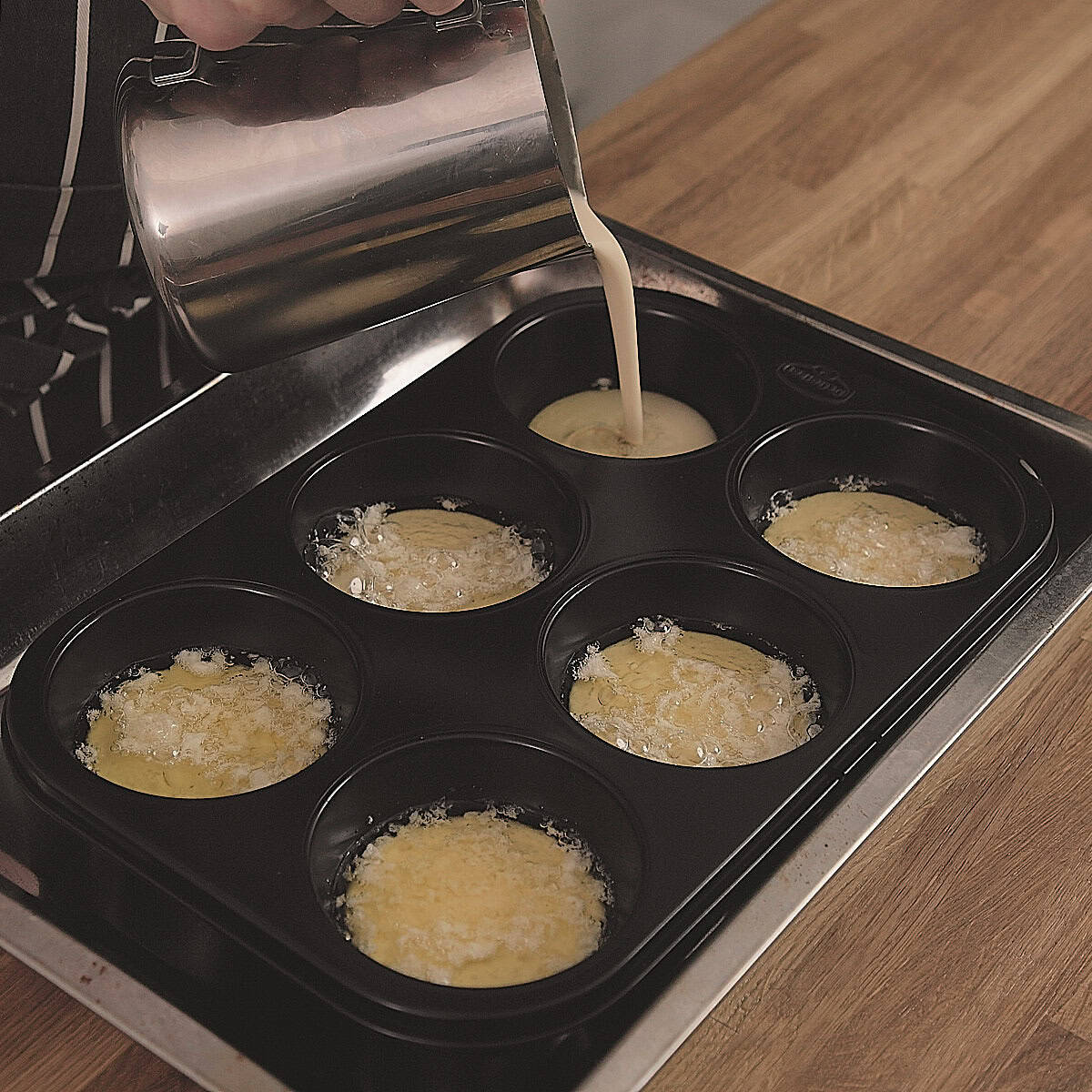
- Working quickly (don't let the oven lose too much heat), open the door and slide the rack out partially. Pour the cold batter directly into the center of the hot fat. Fill each hole about ¾ full. You should hear a nice sizzle. Slide the rack back in and close the door.
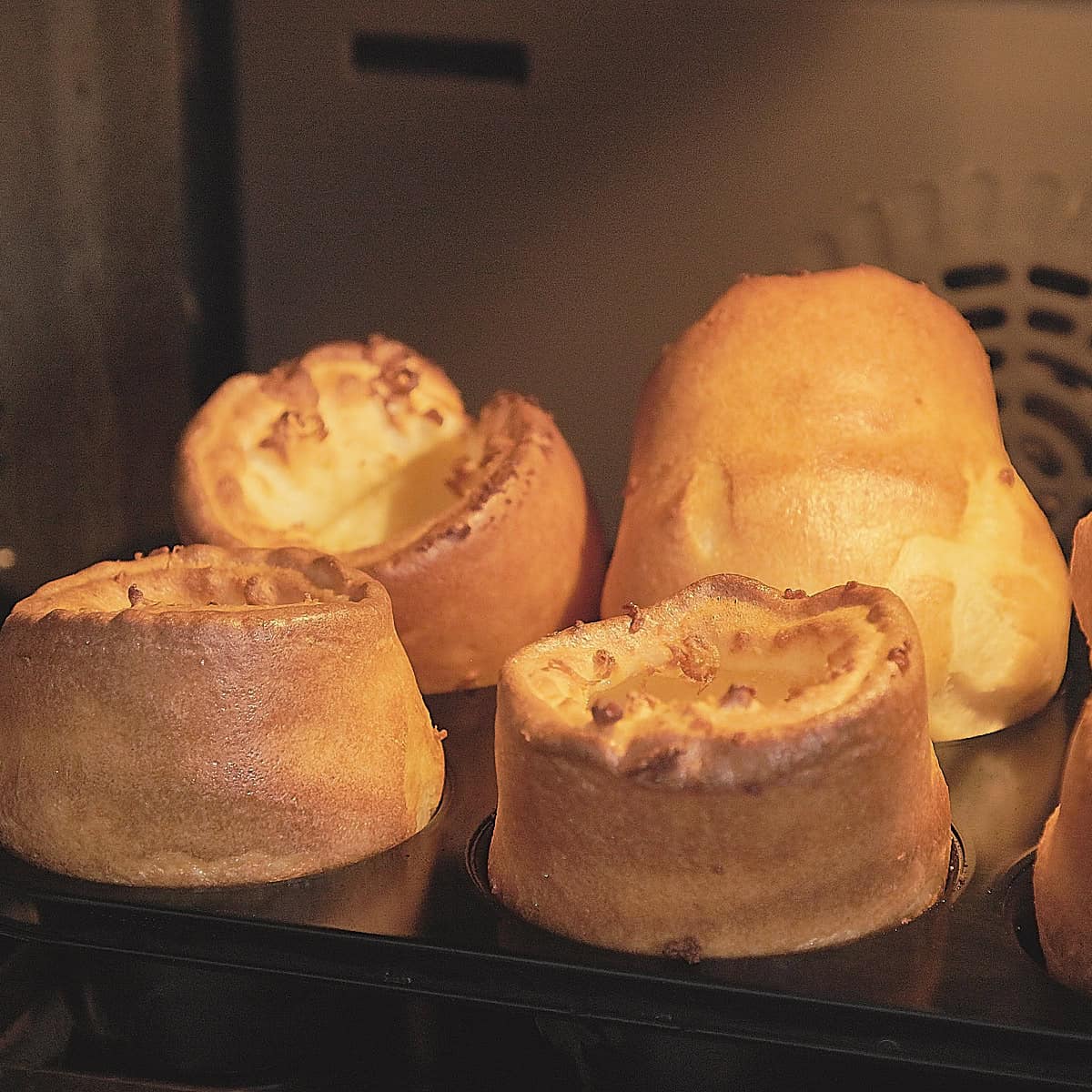
- Bake for 20 minutes. CRITICAL RULE: Do not open the oven door for the first 15 minutes. If you let the cold air in, the steam will condense, and your puddings will collapse into sad, flat pancakes. Check through the glass. They should be puffed, deep golden brown, and crispy. After 20 minutes, drain the excess oil and bake them upside down for 5 more minutes to get a crispy bottom.
Watch how to make it
Tips for success
- Rest the batter in the fridge overnight.
- Pour the batter into the center of your pre-heated oil-filled trays.
- Flip them upside down and cook for an extra 5 minutes to ensure a crispy bottom
Substitutions
- Lactose-free - Use lactose-free milk instead.
- Dairy-free - Replace the milk with an alternative like oat milk or soy milk.
Variations
- Toad in the hole - Fry sausages in a pan, then add Yorkshire pudding batter around them and bake until golden brown and crispy.
- Add veggies - Same as for the sausages, but replace with your veggies of choice. If using water vegetables like courgette or peppers, cook them first, and remove the watery core.
Equipment
A dedicated Yorkshire pudding tray works best, but a muffin tin is fine. A metal pitcher to make pouring easy, and a hand blender or NutriBullet to blend a smooth batter.
Troubleshooting
Why didn't they rise?
- Cold Batter - Ideally, you want cold batter into a hot oven.
- Cold Oven - You opened the door too early, or the oven wasn't at the right temperature.
- Wrong Flour - You used self-raising flour (which collapses) or a very low-protein flour.
Soggy bottoms?
- Fix it - Flip the puddings upside down in the tin for the last 5 minutes of baking. This exposes the bottom to the hot air and crisps them up perfectly.
Storage
The raw batter can be stored in the fridge for up to 48 hours before use. After that, the enzymes in the flour negatively impact the result. 12 to 24 hours is the sweet spot.
You can freeze the batter and thaw it in the fridge, but the rise never comes out as good once thawed.
Keep cooked Yorkshire puddings in the fridge, sealed airtight, for up to 3 days, and reheat in the oven. They also freeze well, but fresh is always best for flavor and texture.
FAQ
Bake them in the morning, let them cool, and keep them in an airtight container. When you are ready to serve, pop them in a hot oven (200°C/390°F) for 3-4 minutes to crisp up. They also freeze well, but as always, fresh is best.
Yes. This is actually the best way to reheat them if you have one. Place them in the air fryer at 180°C (350°F) for 2-3 minutes. They come out incredibly crispy.
No. Self-raising flour contains baking powder, which interferes with the structure. You will end up with a cakey texture rather than a hollow, crispy puff. Always use Plain (All-Purpose) or bread flour.
Pairing

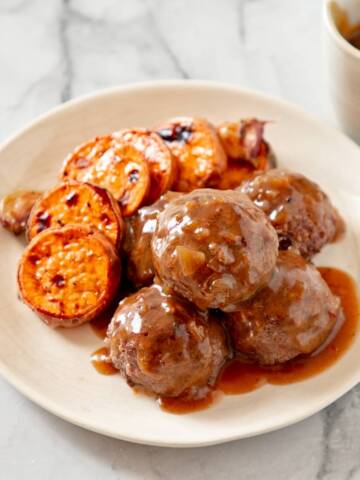
More British classics



Recipe

Yorkshire pudding
Ingredients

Instructions
- Blend: Combine milk, eggs, flour, and salt in a blender. Blitz until smooth and lump-free. The batter should be the consistency of thin cream.
- Rest: Transfer to a pouring jug. Refrigerate for at least 1 hour (or overnight) to relax the gluten.
- Heat: Preheat oven to 200°C (390°F). Place a knob of fat or a tablespoon of oil into each hole of a 12-cup muffin tin or Yorkshire pudding tray. Place the tin in the oven for 10-15 minutes to get hot.
- Pour: Carefully pour the cold batter into the center of the hot fat, filling each hole ¾ full.
- Bake: Bake for 15-20 minutes. Do not open the oven door. They are done when tall, crispy, and deep golden brown.
Video
Notes
Nutrition
This recipe, and 109 others.
Everything I actually cook, organized in one book, with the exclusives that never made the blog and an online edition that behaves with flour on your hands. No ads. $19.99, yours for life.
Get the cookbook →This site contains affiliate links. I may earn a tiny commission on qualifying purchases at no extra cost to you. By bookmarking these links you help support the upkeep of this site.



Andy M says
Great post and recipe.
The other biggie for an even rise it not use the fan setting on the oven. I always have the oven set to top and bottom heat no fan for the perfect even rise.