

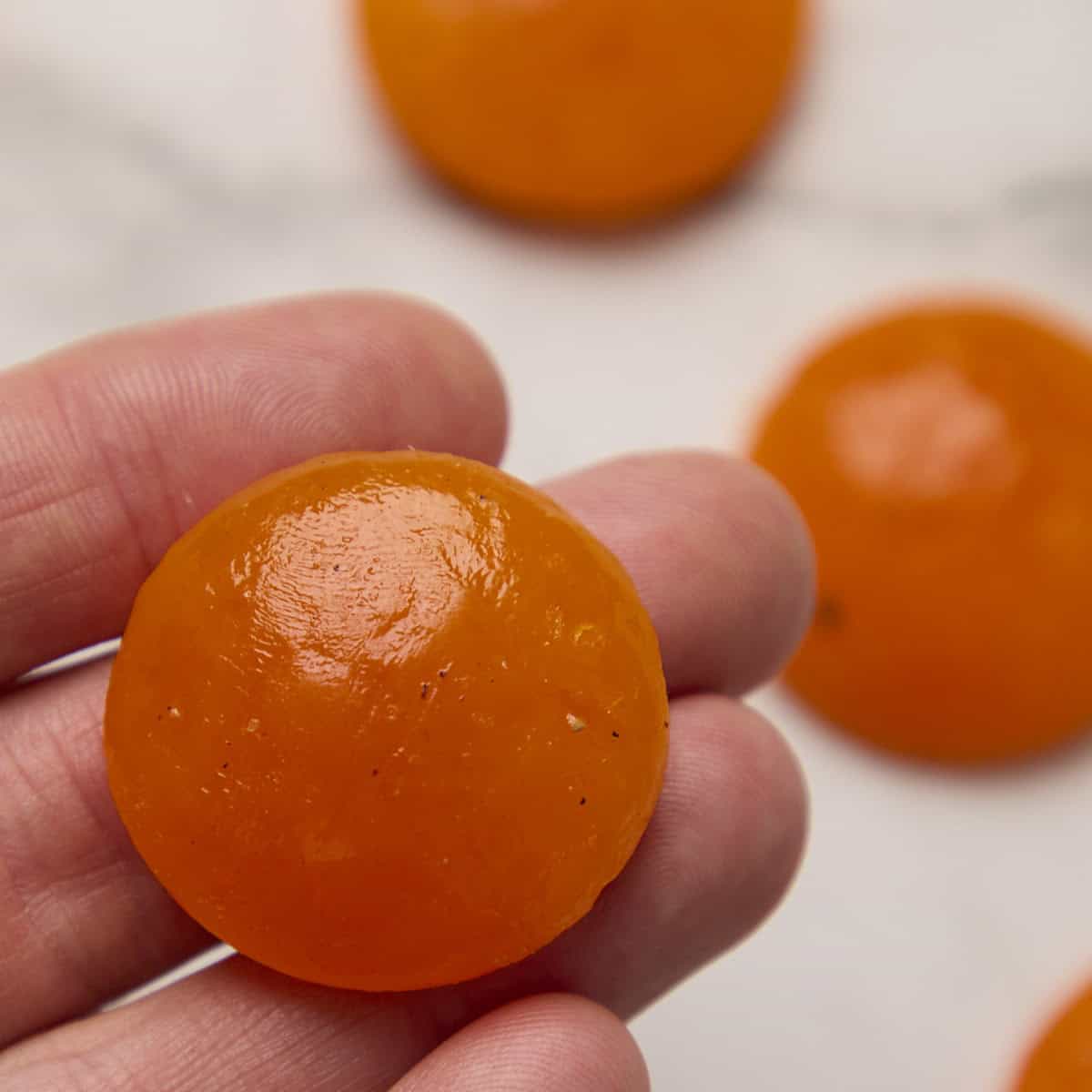
Salted cured egg yolks are an easy and delicious way to add a touch of fancy to your homemade cooking. They have an intense, umami-rich flavor and a creamy texture, making them ideal as a finishing touch or a replacement for botarga or Parmesan over fresh pasta.
You can flavor them in many ways, depending on your preference and what you plan on using them for once cured.
Because they are cured with salt to draw out moisture and sugar to keep the texture pliable, they last a very long time in the fridge and can even be frozen without any negative effects.
Jump to:
What are cured egg yolks?
Cured egg yolks are raw yolks buried in a mixture of salt and sugar to draw out their moisture and preserve them.
The salt extracts the water to cure the egg safely. The sugar keeps the final texture firm but pliable, stopping the yolk from becoming rock-hard.
Once fully cured and dried, they take on the texture of matured cheese and are grated over a wide variety of dishes to add umami, or savoriness.
Ingredients
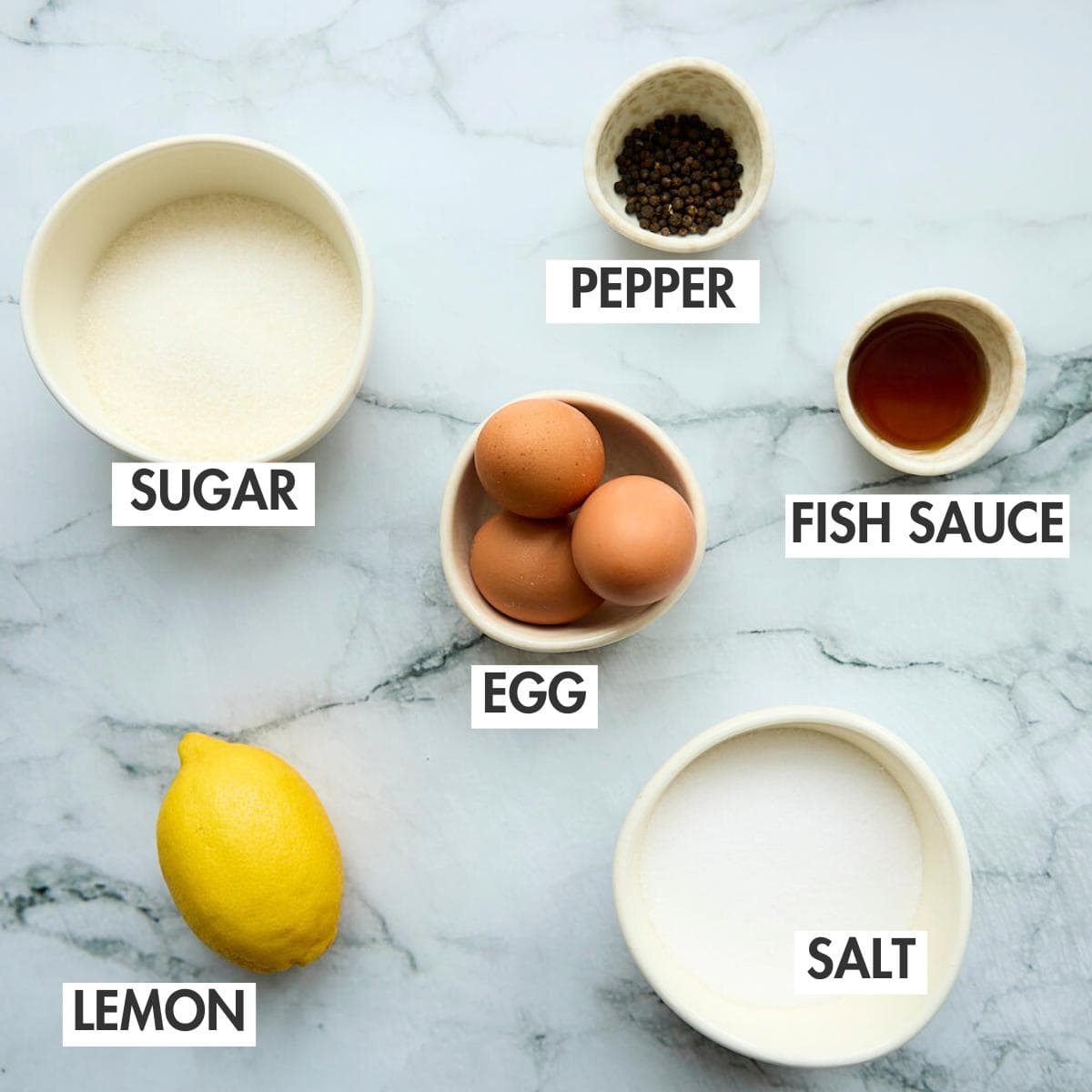
- Eggs - I used large pasteurized chicken eggs. The bigger the yolks, the longer it takes to cure, and vice versa when smaller.
- Salt - Fine sea salt draws moisture from the raw yolk, helping safely cure and preserve it. Use non-iodized salt if possible, because iodized salt can leave a bitter aftertaste.
- Sugar - Regular granulated white sugar keeps the final texture firm but pliable. This prevents the yolk from turning into an inedible rock of salt. You can also use brown sugar.
- Aromatics and flavorings - Here you can go wild, but I used a mix of lemon zest, Thai fish sauce, and black pepper. Below, I'll give you some more options in the variations section.
See recipe card for quantities.
Instructions
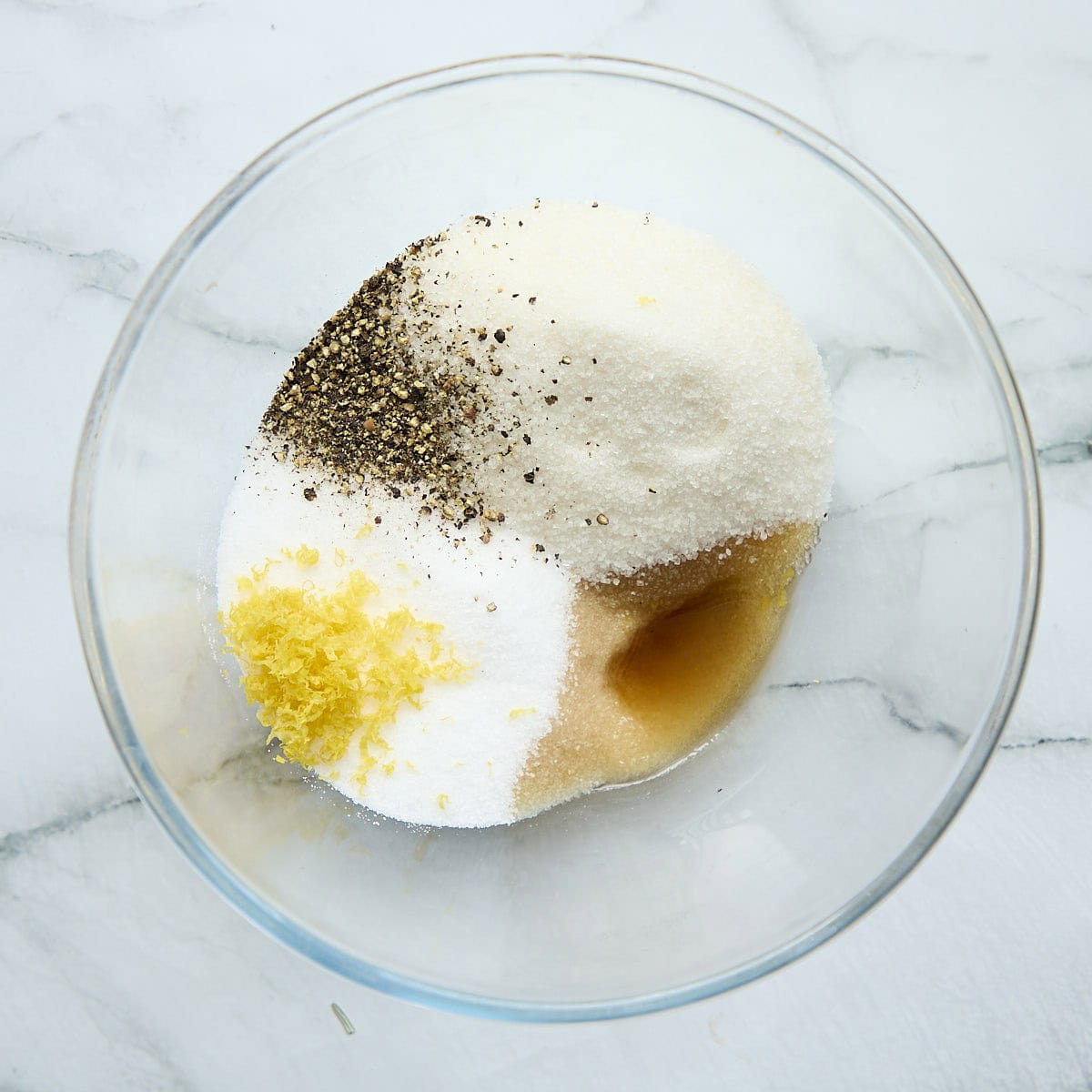
- Combine all the ingredients for the cure in a bowl.
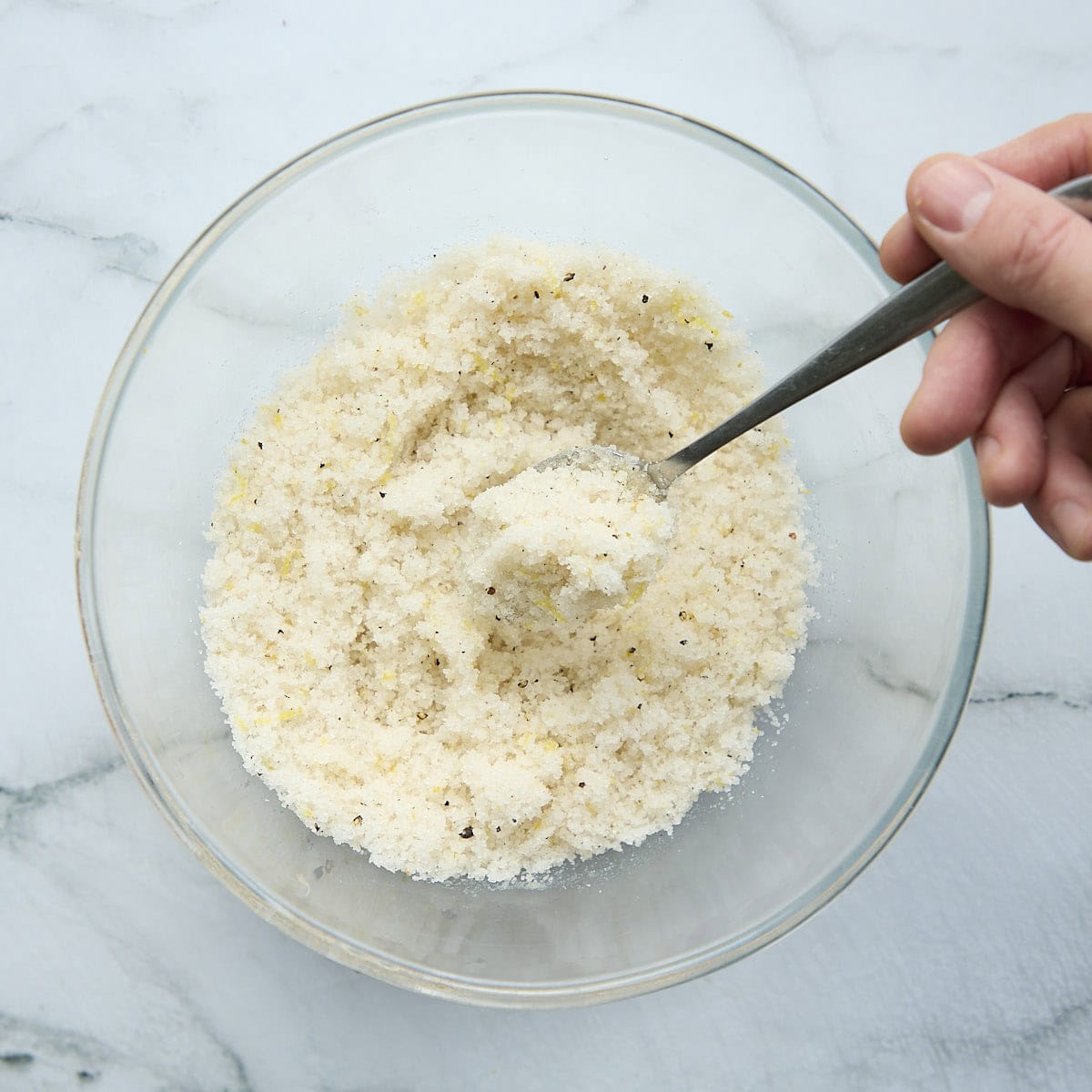
- Mix it up well until you have a homogeneous salt cure.
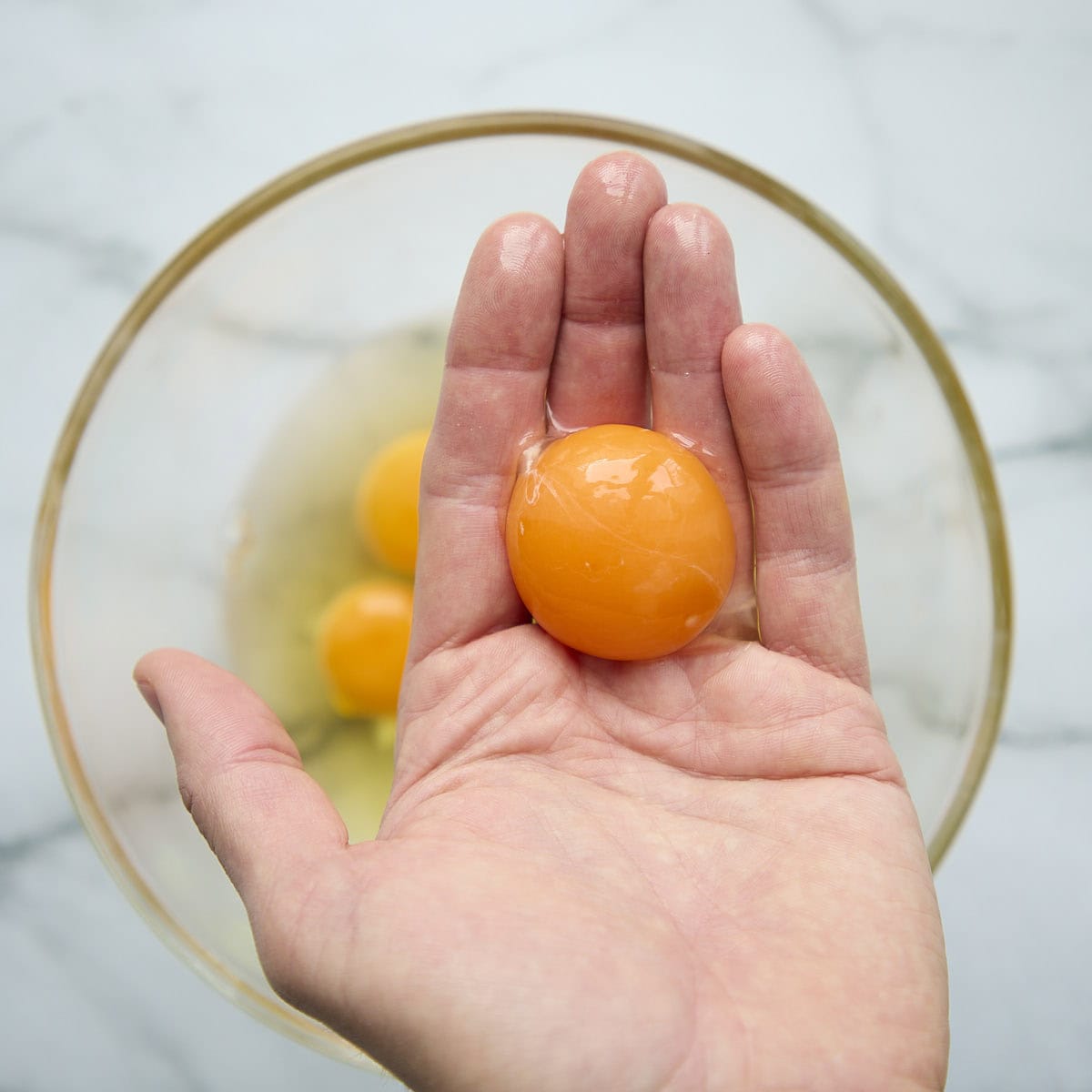
- In a separate bowl, crack the eggs, then carefully separate the yolks from the white with your hands.
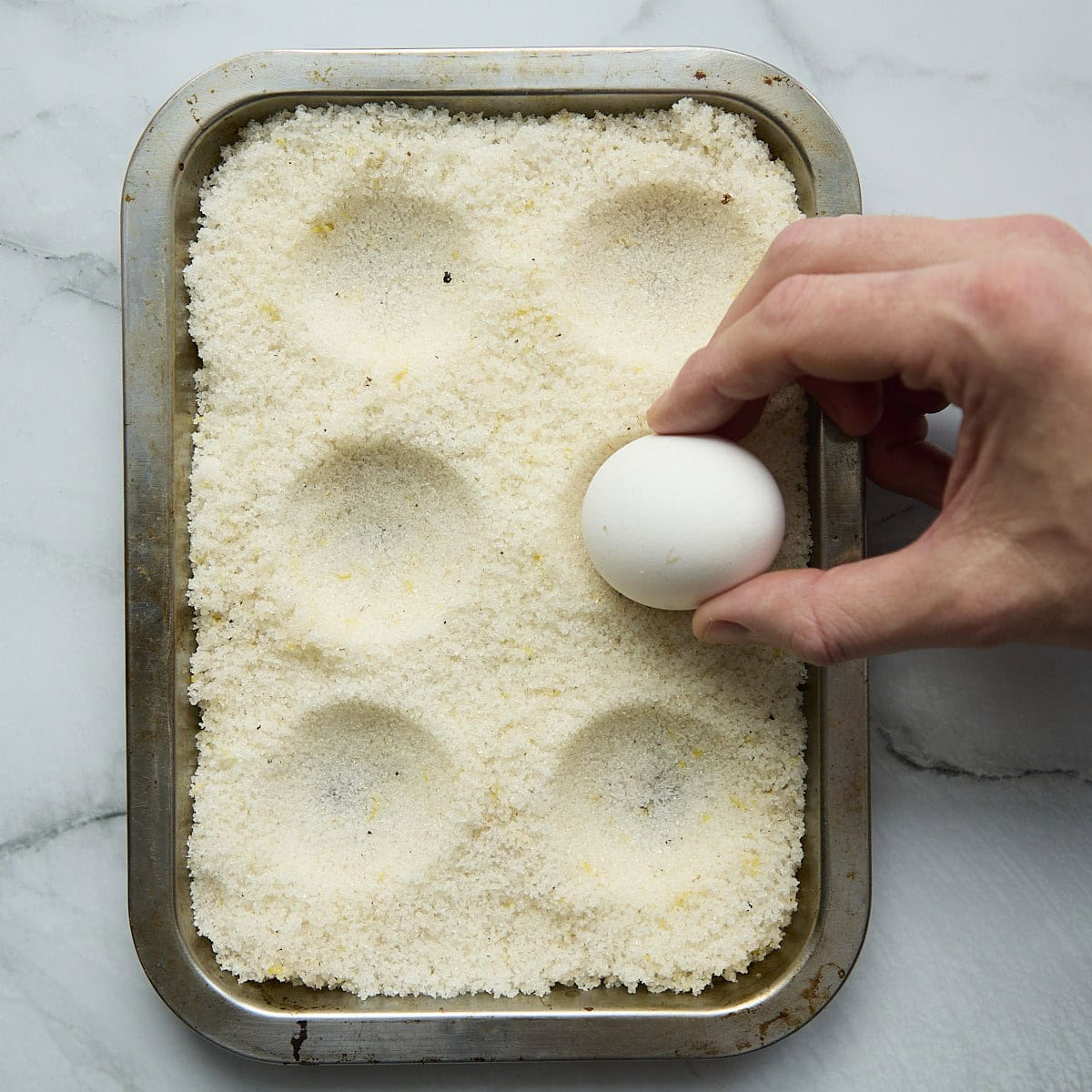
- Put ⅔ of the cure mixture into a food-safe container. Make sure it's spread out and big enough so the egg yolks won't touch. Make indentations using a whole egg or the back of a spoon.
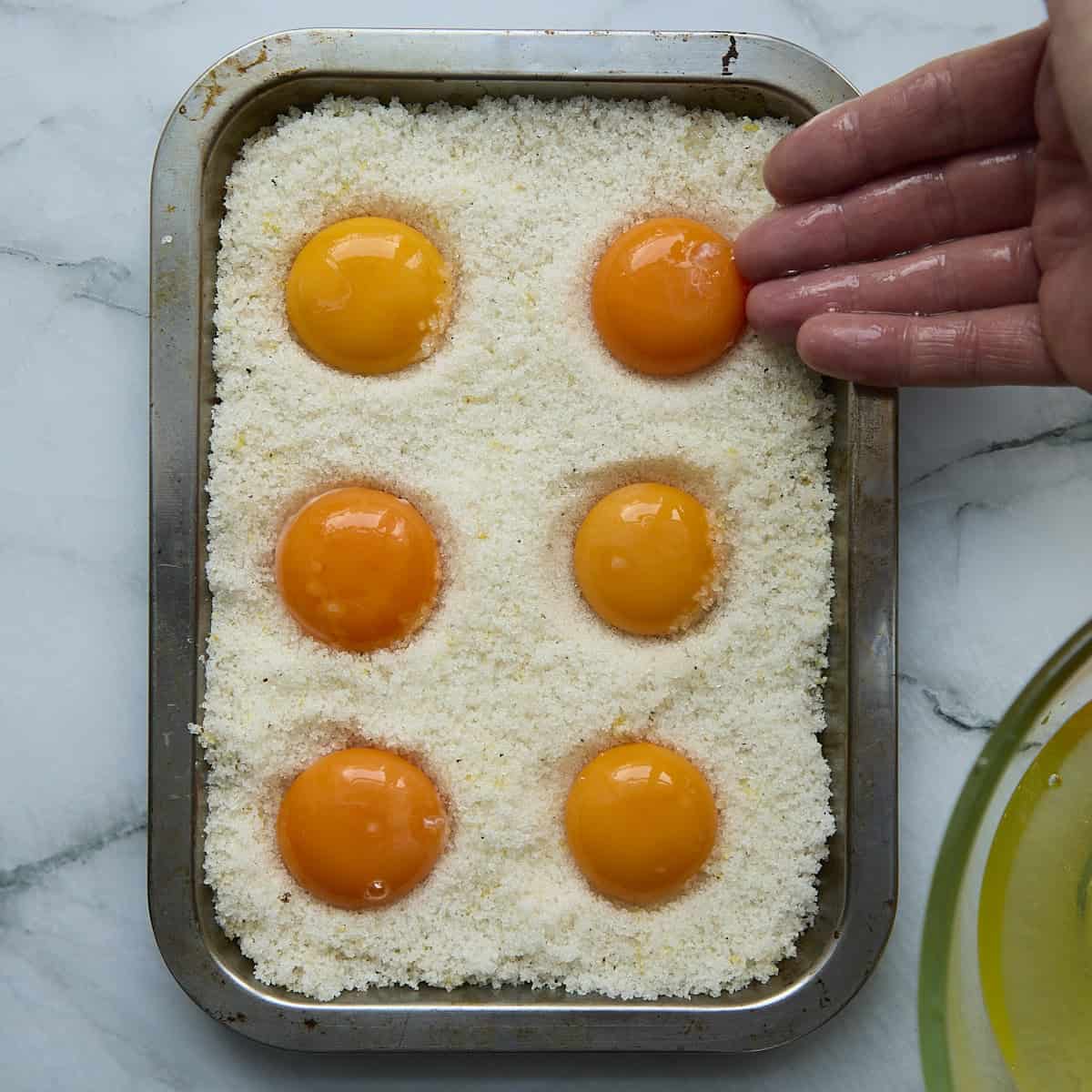
- Carefully place the egg yolks into the indentations, taking care not to break them.
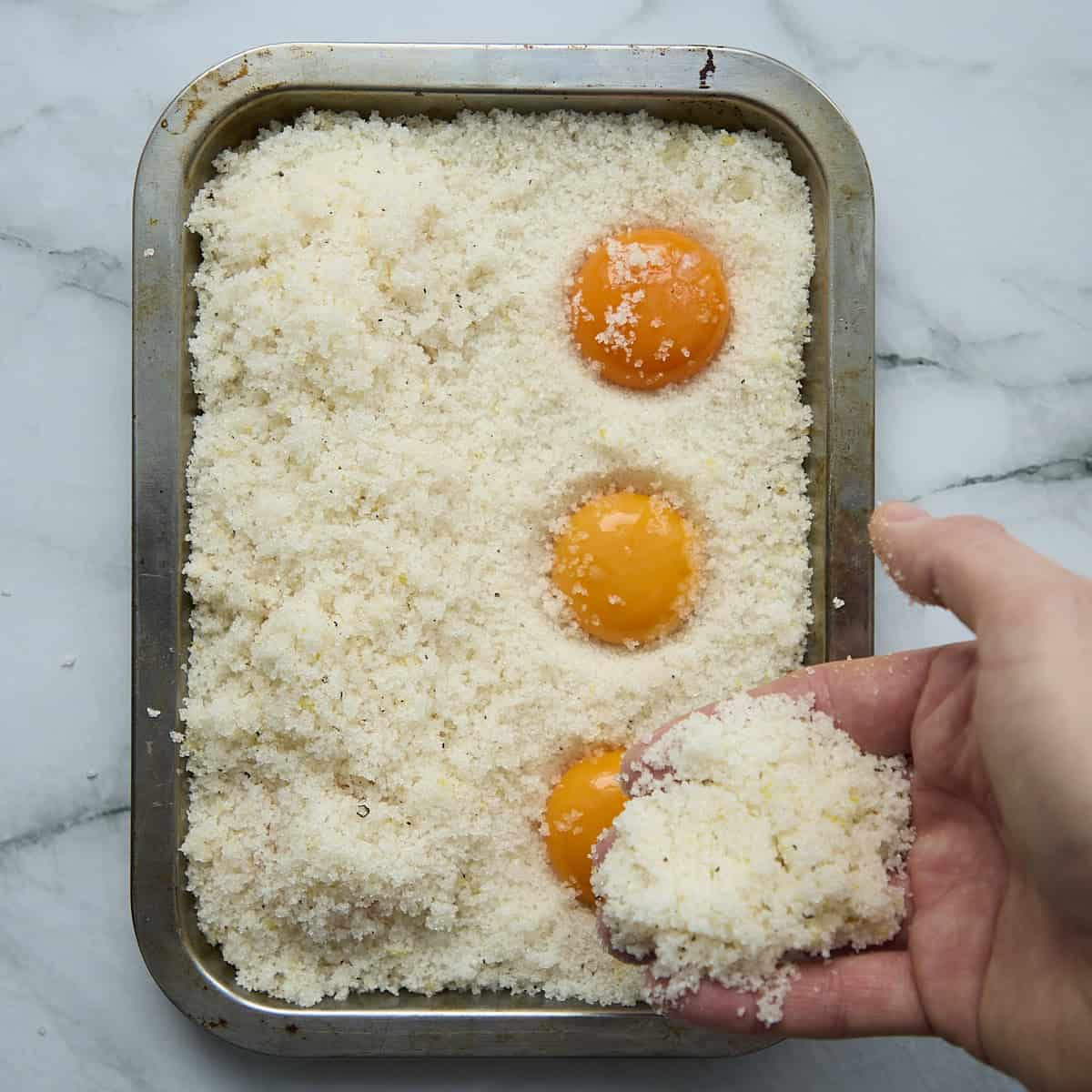
- Cover the egg yolks with the remaining salt mixture.
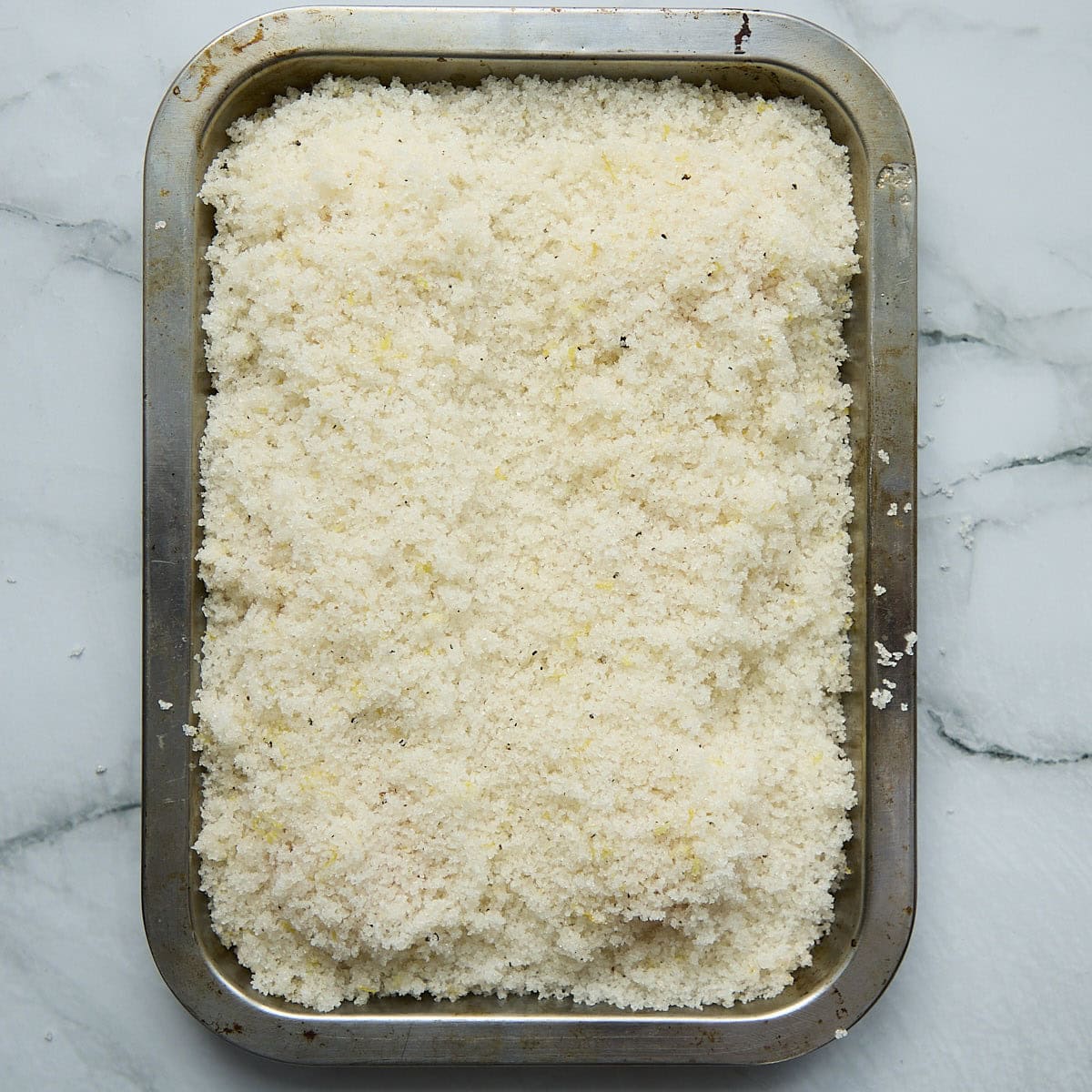
- Cover with a lid or food-safe wrap, then place in the fridge to cure for 7 days.
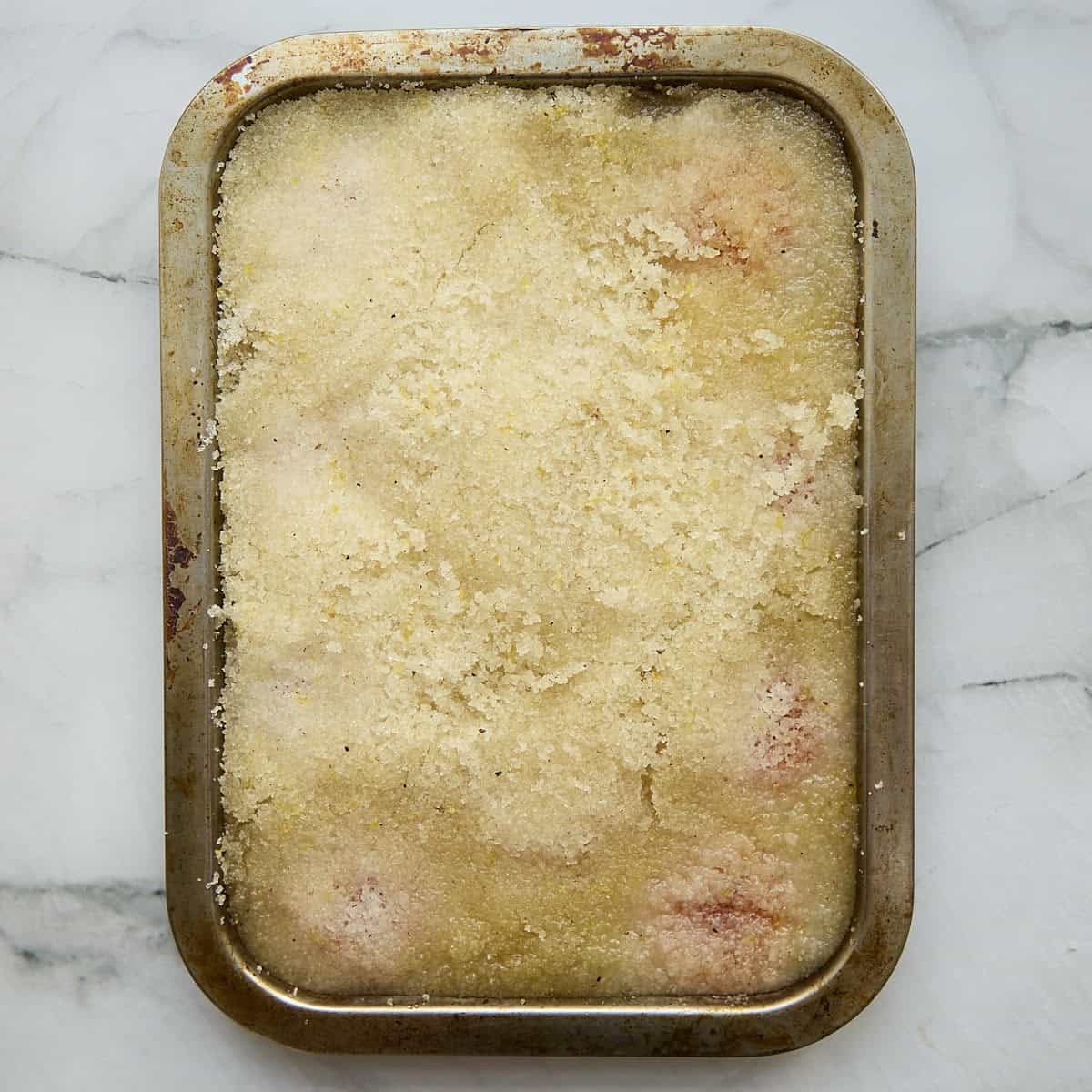
- Once cured, the salt mix will be wet, kind of like slush, but not watery.
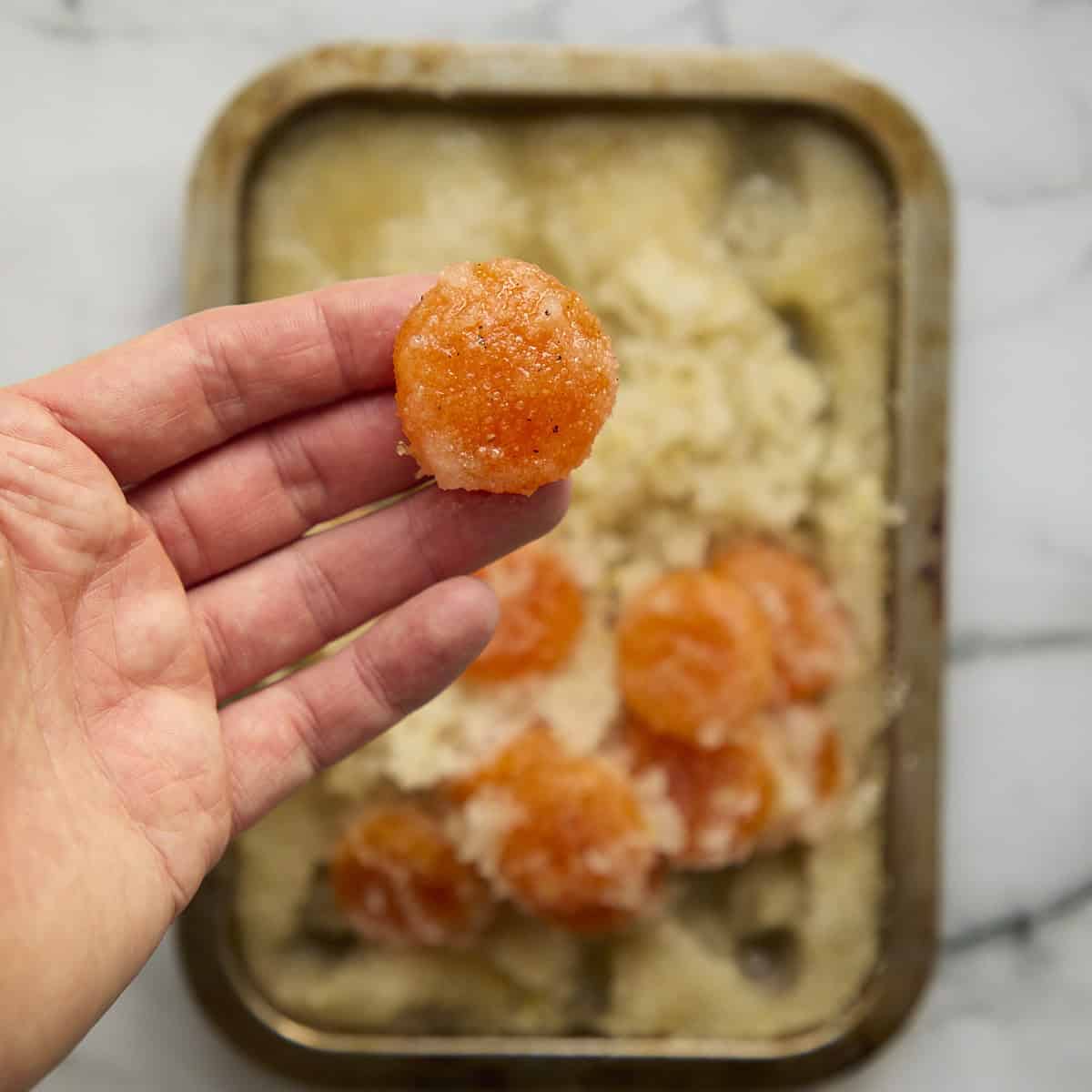
- Dig the yolks out, and discard the cure mixture.
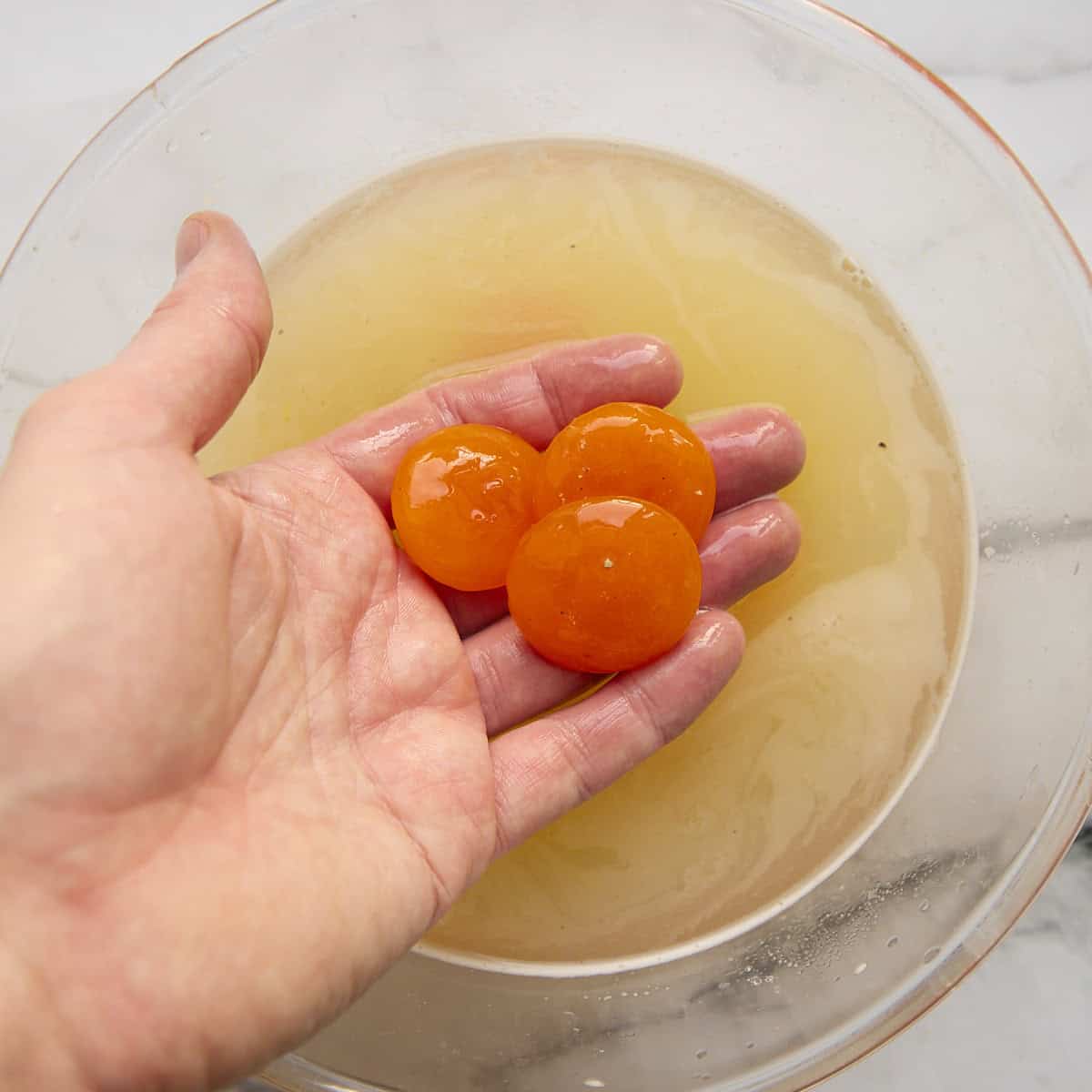
- Rinse the cured yolks in clean, cold, drinkable water.
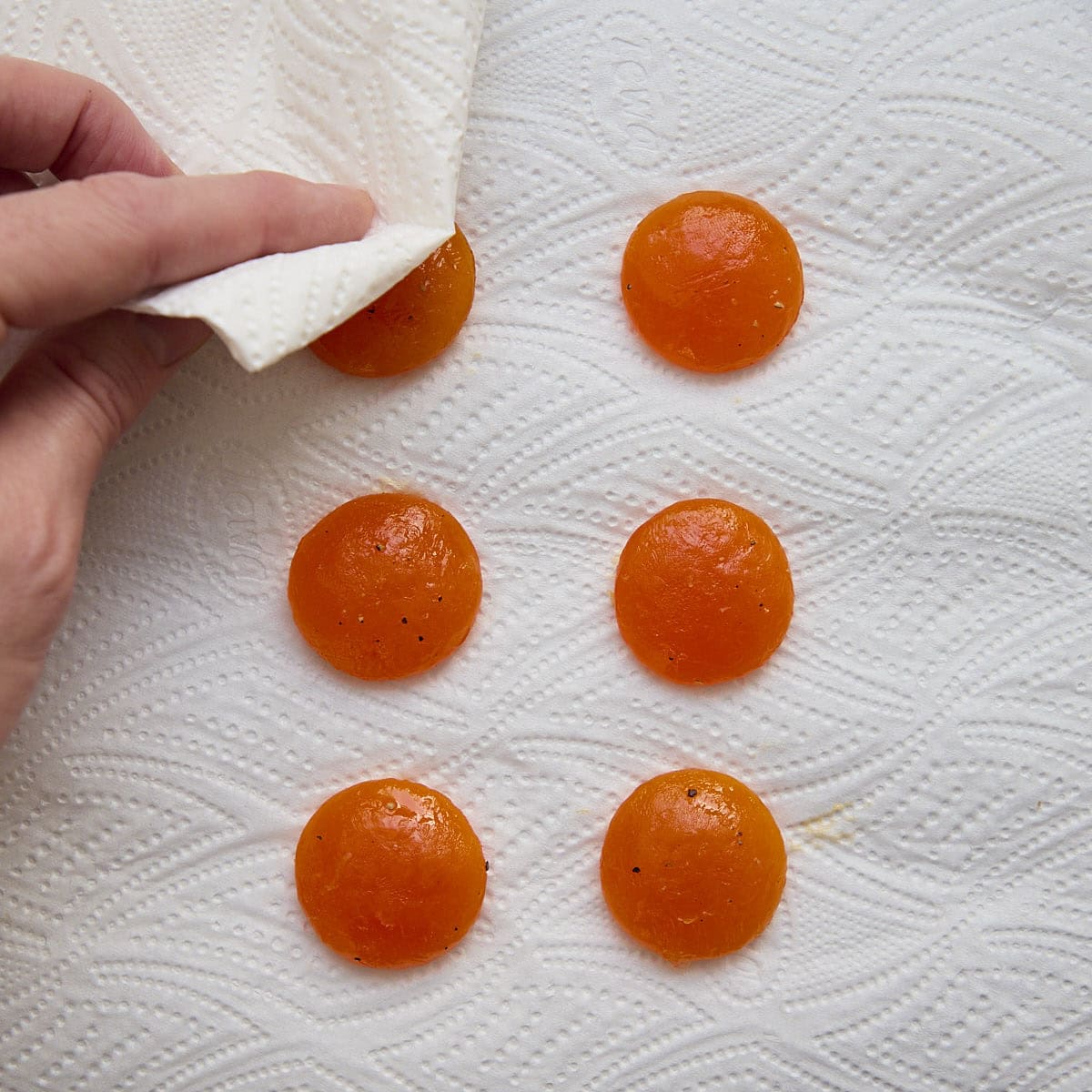
- Pat them dry with a paper towel.
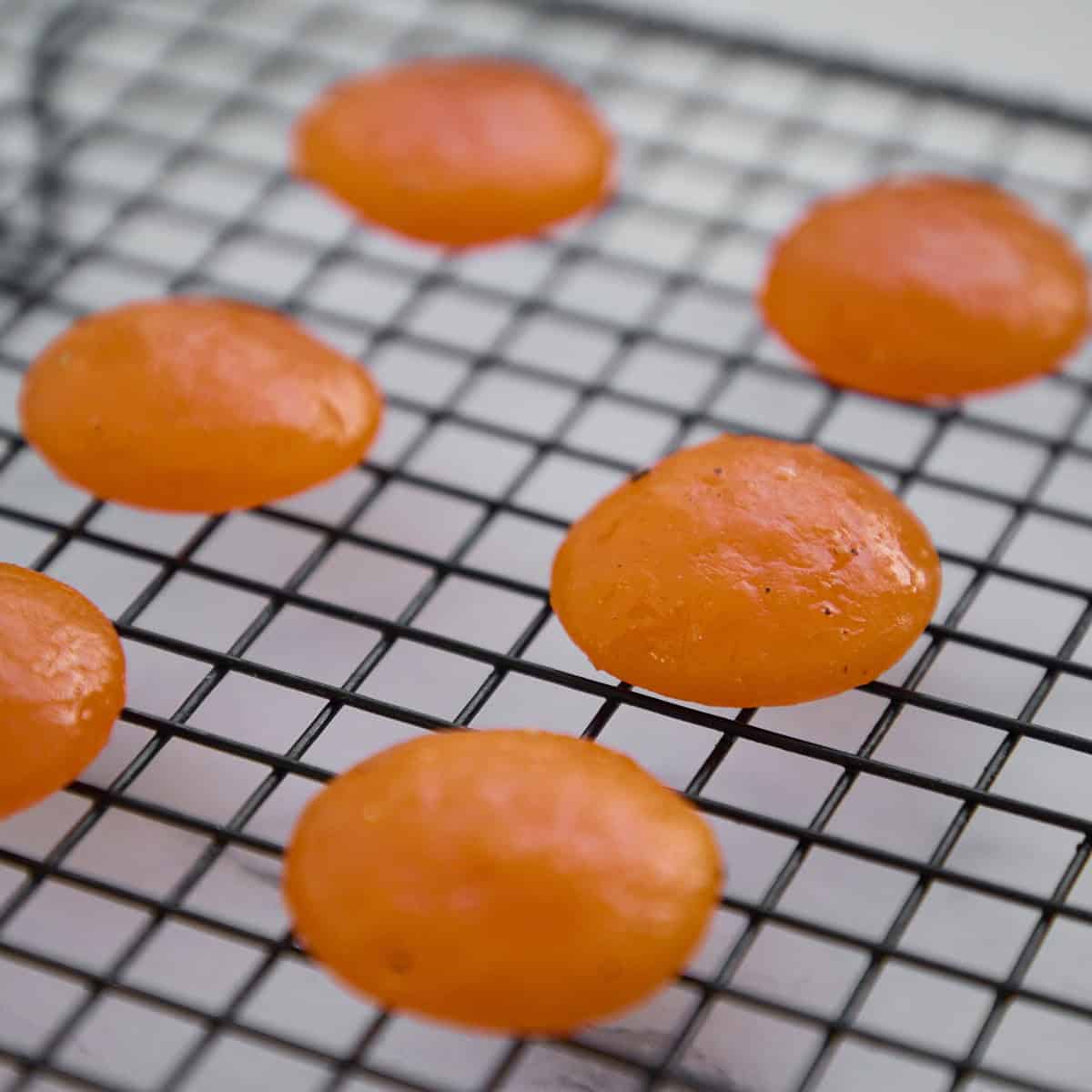
- Preheat the oven to 80 °C (175 °F), then turn it off. Place the yolks onto a wire rack and into the oven for 5 minutes. Once done, rub with a touch of neutral oil and store in the fridge.
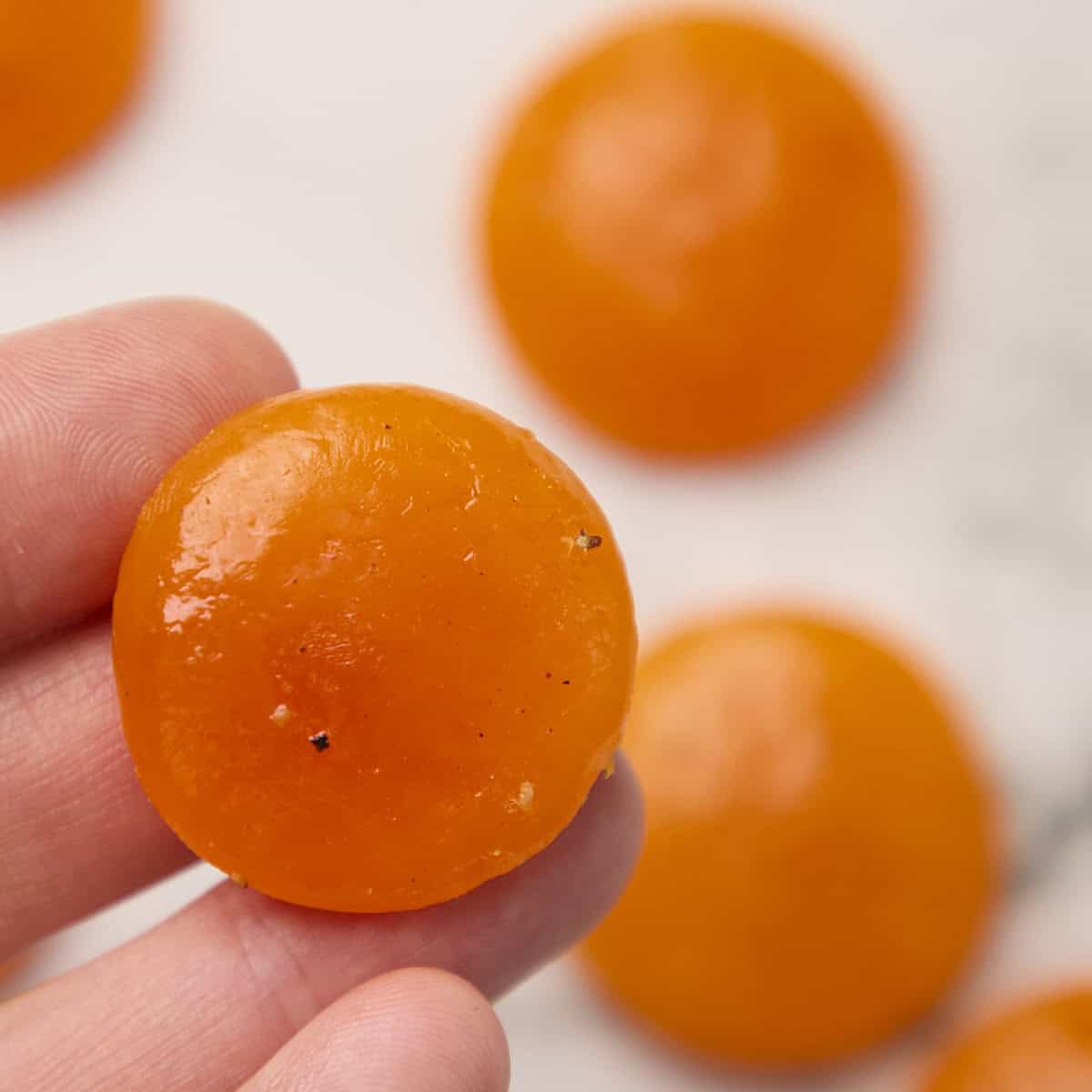
Watch how to make it
Substitutions and variations
- Eggs - Use duck eggs for an even richer result.
- Sugar - Instead of regular white sugar, use muscovado sugar or add a touch of molasses to regular sugar.
- Umami - Fish sauce is only one way to add umami, but you can make it vegetarian by grinding dried shiitake mushrooms or kombu seaweed and adding it to the salt cure. Miso paste and a touch of soy sauce will also work great.
- Spices - We use black pepper, but you can experiment with more fragrant spices like cumin, coriander, and Sichuan pepper. You can also make it spicy by adding a generous amount of ground chili powder.
- Citrus - Instead of lemon zest, use lime or orange zest.
Chef Tips
- Give them space: Keep the yolks separated in the cure bed. If you do not leave at least an inch of space between them, they will fuse together as they dehydrate. You will inevitably rip them open trying to pull them apart.
- Don't panic at the ugly stage: When you dig the yolks out of the salt, they will look dark, shriveled, and slightly translucent. This is exactly what you want. It means the salt did its job and pulled the moisture out properly.
- The ultimate finishing touch: You need a fine microplane to grate these properly. Shave them over hot carbonara, or try grating them over a warm bowl of rice with a splash of ponzu sauce for a massive hit of savory umami.
What to do with the leftover egg whites?
- Freeze - Egg whites can be frozen and thawed in the fridge without affecting their quality.
- Egg white omelets: Whisk them up with spinach and feta for a high-protein breakfast.
- Baking - Use them to make meringues, macarons, or an angel food cake.
- Cocktails - Shake them into a whiskey sour or gin fizz for a frothy foam top.
Storage
Keep in the fridge stored airtight for up to a month. Freeze for up to 6 months.
FAQ
Yes. The high salt concentration draws out the moisture required for bacterial growth. Dehydrating them in the oven at 175° F (80° C) mitigates the risk of pathogens such as Salmonella, making them entirely food-safe.
They share the salty and savory profile of hard cheeses like Parmesan or Pecorino. However, they deliver a richer, fattier mouthfeel characteristic of dense egg yolks.
No. Throw it in the trash. The salt absorbs moisture from raw eggs and cannot be safely stored or reused for another batch.
How to use cured egg yolks
Treat these exactly like a block of high-quality Parmesan cheese or bottarga. You need a microplane to grate them finely over your finished dishes.
- Pasta - Grate them over hot carbonara or cacio e pepe made with fresh pasta right before serving. The same goes for risotto.
- Rice - You can also shave them over a warm bowl of rice drizzled with a homemade ponzu sauce. The rich fat of the grated yolk balances the sharp citrus of the ponzu.
- Salad - Shave them over a Caesar salad instead of adding extra anchovies.
- Dessert - Grate them over high-quality vanilla ice cream served with malva pudding and homemade custard.
- Baking - Add it to Parmesan sablé dough for extra umami and richness.
More curing recipes

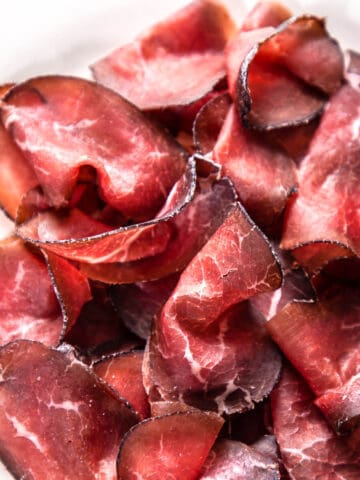
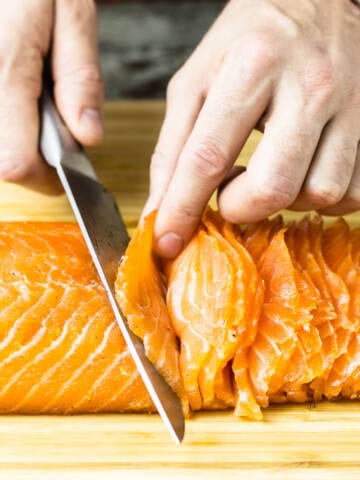
If you found this post helpful or have learned something, please comment, subscribe, and follow me on social media for more delicious recipes.
Recipe

Salt Cured Egg Yolks
Ingredients
- 12 (12) eggs - yolks separated form whites
- 200 grams (⅔ cup) salt
- 200 grams (1 cup) sugar
- 50 grams (3 tablespoon) fish sauce
- 4 grams (2 teaspoon) Black pepper
- 4 grams (2 tablespoon) Lemon zest

Instructions
- Combine the salt, sugar, fish sauce, black pepper, and lemon zest in a mixing bowl. Stir until it forms a homogeneous, wet cure mixture.
- Spread two-thirds of the cure into a glass or ceramic container. Use the back of a spoon to press deep indentations into the mixture. Leave at least one inch of space between each indentation.
- Separate the egg yolks from the whites using your hands. Carefully place one yolk into each indentation.Cover the yolks completely with the remaining cure mixture.
- Cover the container tightly and refrigerate for exactly 7 days.
- Remove the yolks from the container. The cure will have turned into a wet slush. Discard this used cure mixture.
- Rinse the yolks under a gentle trickle of cold, drinkable water to remove the salt. Pat them completely dry with a paper towel.
- Preheat the oven to 175° F (80 °C), then turn it off. Place the yolks on a wire rack and set them in the warm oven for exactly 5 minutes.
- Rub the dried yolks with a drop of neutral oil. Store them in an airtight container in the fridge.
Video
Notes
- The Science of the Cure: The 200g of sugar is a structural requirement, not a sweetener. It mitigates the harshness of the salt and keeps the final grated texture pliable instead of brittle.
- Spacing is Critical: If the yolks touch while buried in the cure, they will fuse together as they dehydrate. You will rip them open trying to separate them later.
- Substitutions: Swap the Thai fish sauce for soy sauce or dried shiitake mushroom powder to maintain the necessary umami profile. You can substitute the white sugar for brown sugar to introduce a dark molasses flavor. Do not use iodized table salt; it leaves a bitter aftertaste.
- Storage: Store the fully dried yolks in an airtight container in the fridge for 1 month. You can freeze them for 6 months.
- How to Use: Treat this exactly like a block of hard Parmesan cheese. Use a microplane to grate it finely over hot carbonara, Caesar salads, or warm rice. The residual heat from the food melts the yolk fat to incorporate it into your dish.
Nutrition
This recipe, and 109 others.
Everything I actually cook, organized in one book, with the exclusives that never made the blog and an online edition that behaves with flour on your hands. No ads. $19.99, yours for life.
Get the cookbook →This site contains affiliate links. I may earn a tiny commission on qualifying purchases at no extra cost to you. By bookmarking these links you help support the upkeep of this site.

Comments
No Comments