
Biltong is a delicious South African dried meat snack originally invented by Dutch settlers. Often compared to Beef Jerky or Italian Bresaola, biltong has a uniquely rich flavor and tender texture that sets it apart.
Learning how to make biltong at home is surprisingly easy, requiring only three simple steps: preparing the meat, curing and spicing it, and finally drying it. This authentic recipe walks you through each stage clearly, for reliable results within just a few days.
Throughout my 20+ years as a professional chef, I've refined numerous biltong recipes, including more adventurous variations such as Duck Biltong. Today, I'm sharing my absolute best method - tested and refined for consistently delicious homemade biltong.
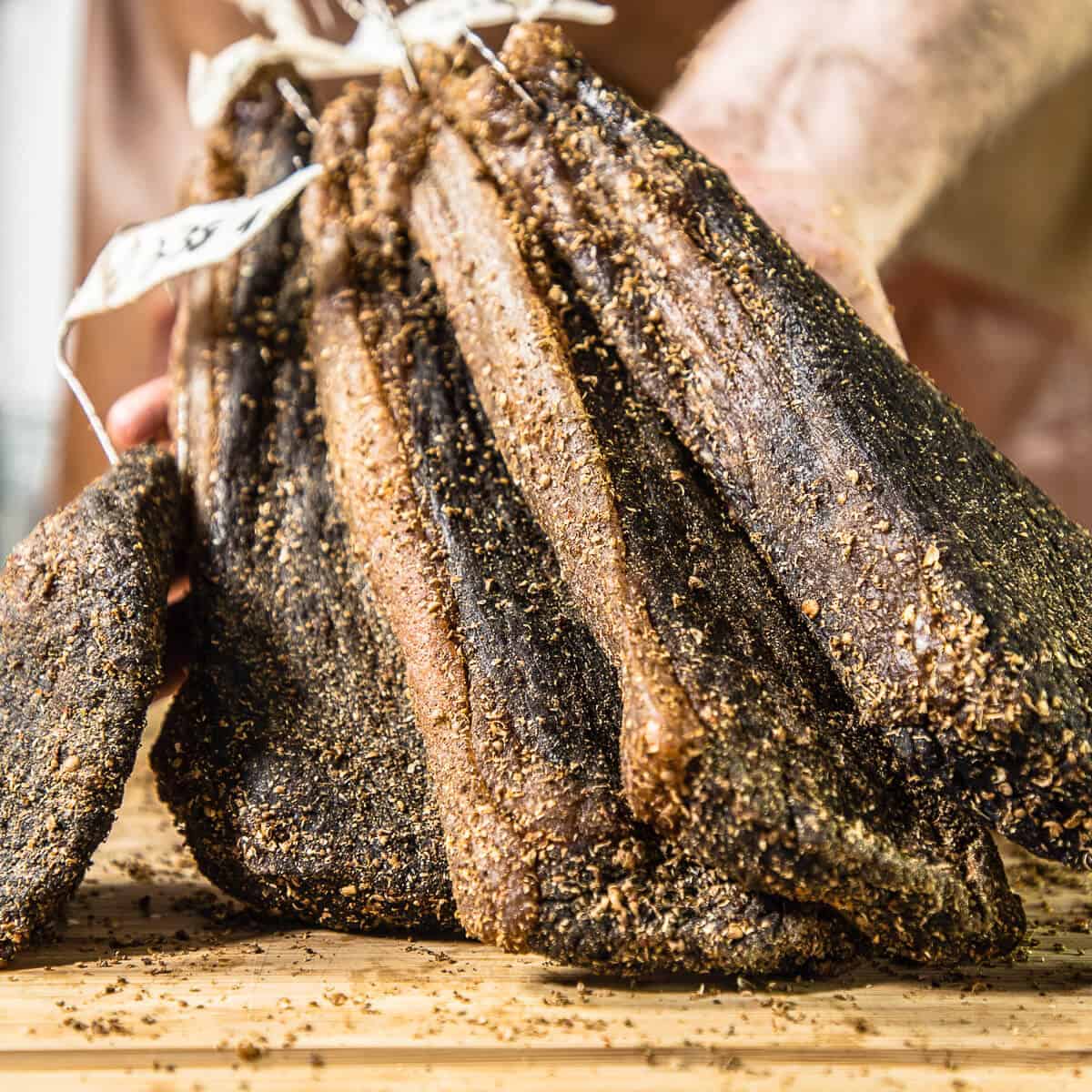
Of all the delicious traditional South African dishes, like droëwors(dried sausage), tomato bredie, chakalaka, and a whole range of them you can find on my site, biltong is the most iconic and my all-time favorite.
Jump to:
- What is biltong, and what is it made of?
- Meat curing explained
- Best cuts of meat for biltong
- Ingredients
- Step-by-step instructions
- Watch how to make biltong
- Options for drying biltong at home
- How long does biltong take to dry?
- Factors affecting drying time
- Expert tips
- Variations and flavor ideas
- Troubleshooting common biltong issues
- Frequently asked questions (FAQs)
- Useful equipment for making biltong
- More cured meat recipes
- More South African recipes
- Recipe
- Comments
What is biltong, and what is it made of?
As a South African chef, I grew up on biltong and have made it professionally for two decades. Simply put, it's South African air-dried, cured beef. The meat is salted, dipped in a vinegar-based cure, coated in a coriander-led spice mix, and hung in cool, moving air until it loses about half its weight. No heat cooks it and no smoke flavors it - the salt, the acid, and the drying are what make it safe to eat and give it that dense, beefy chew.
- What it's made of - At its core, biltong is four things: beef, coarse salt, vinegar, and toasted coriander. Everything past that - fennel, black pepper, chili, a little honey - is my professionally tested seasonings that take biltong to the next level.
- Air-dried, not cooked - Biltong cures at room temperature in moving air, close to 30°C or 86°F. The salt and vinegar lower the pH and draw out moisture, which helps preserve the meat. It shares this salt-and-air principle with Italian beef bresaola, though biltong leans on vinegar where bresaola does not.
- Biltong vs beef jerky - Jerky is sliced thin, cooked, and usually smoked. Biltong is cut thick along the grain and air-dried raw. That is why biltong stays tender and tastes of beef rather than smoke.
- Wet vs dry biltong - Wet biltong is pulled at around 40 to 50% weight loss and stays soft in the middle. Dry biltong goes closer to 70% and snaps when you bend it. Same method, different finish.
Meat curing explained
The aim of curing meat is to prevent spoilage and enhance its flavor. Biltong curing consists of salting the meat and then giving it a dredge in a marinade or vinegar solution.
The meat is then air-dried in a well-ventilated environment. Salt and vinegar both act as detergents against harmful bacteria by displacing water and lowering the pH.
Drying the meat removes excess water, which helps preserve it and gives it amazing flavor.
Best cuts of meat for biltong
Beef is the most widely used meat for making biltong. In South Africa, yellow fat C-grade beef is widely used.
Top rump and Silverside are the two preferred cuts, although I've had great results with other cuts like rump cap and striploin.
The most important thing to remember when choosing meat is the quality of the meat and fat marbling.
Look for fresh meat aged for at least 21 days, with a good amount of fat running through it. This will ensure a succulent, soft, and perfectly cured result.
For me, the best biltong has got to have a nice layer of fat for texture and flavor, but if you want, you can trim the fat to your liking.
Ingredients
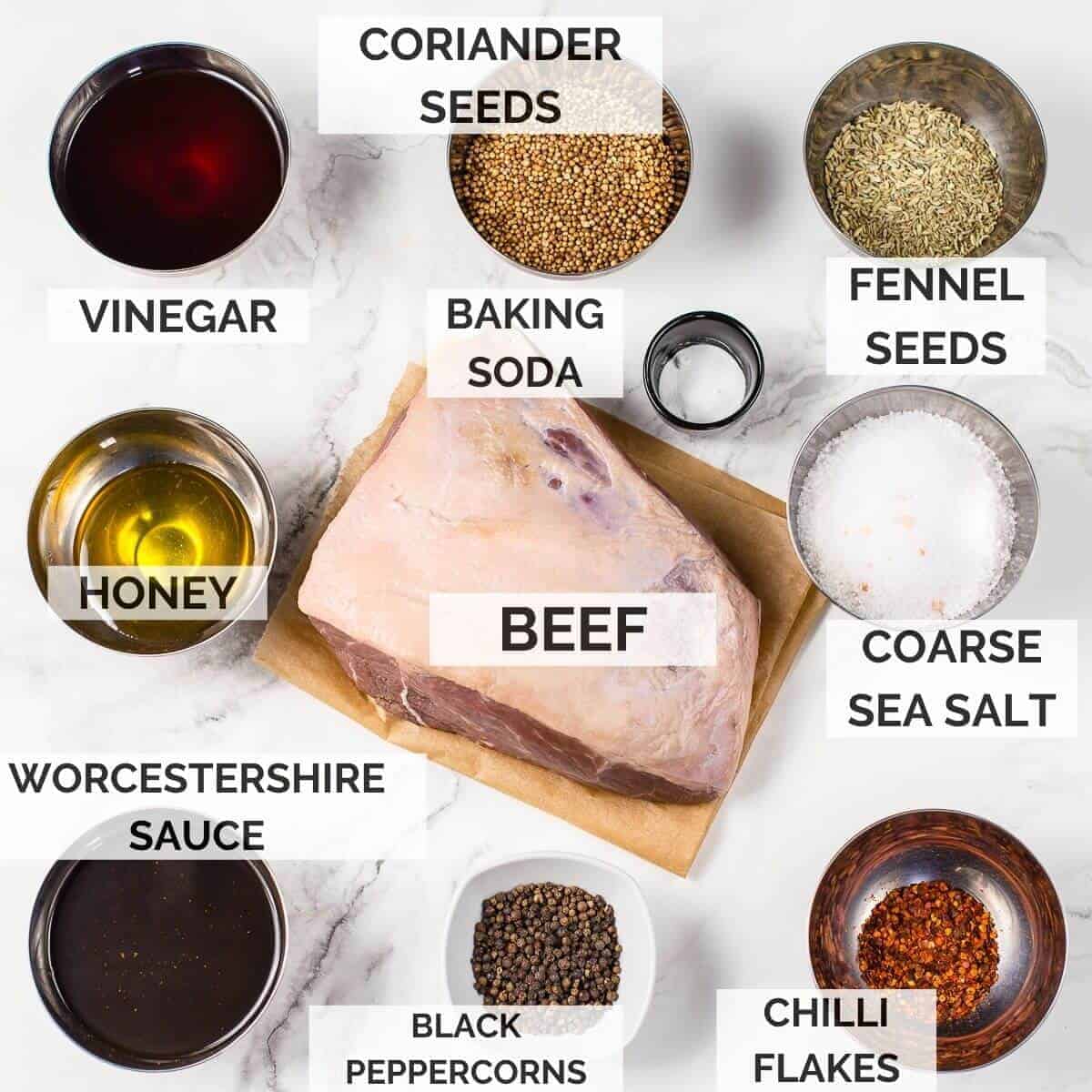
- Biltong spices - Historically, only coriander was used. Everyone adds their own little touches, and with me being a professional chef and having more knowledge on flavor pairings, things will hardly just stay at coriander. I love to add fennel seeds, chili flakes, and black pepper. It's what I've settled on, and it's what I'm sticking with for the best spices for biltong.
- Wet cure - This varies by recipe, but I like using a mixture of red wine vinegar, Worcestershire sauce, and honey. Some recipes use brown sugar, brown vinegar, and even soy sauce. Traditionally, only vinegar was used. The honey or sugar balances the vinegar's sourness and adds a more umami-rich taste.
- Bicarbonate of soda - This is optional, but I like to add a touch right before I remove the meat from the wet cure. It neutralizes the acidity ever so slightly and acts as a tenderizer for tougher cuts. Again, it's optional, and I've made many batches without it and had no problems.
Step-by-step instructions
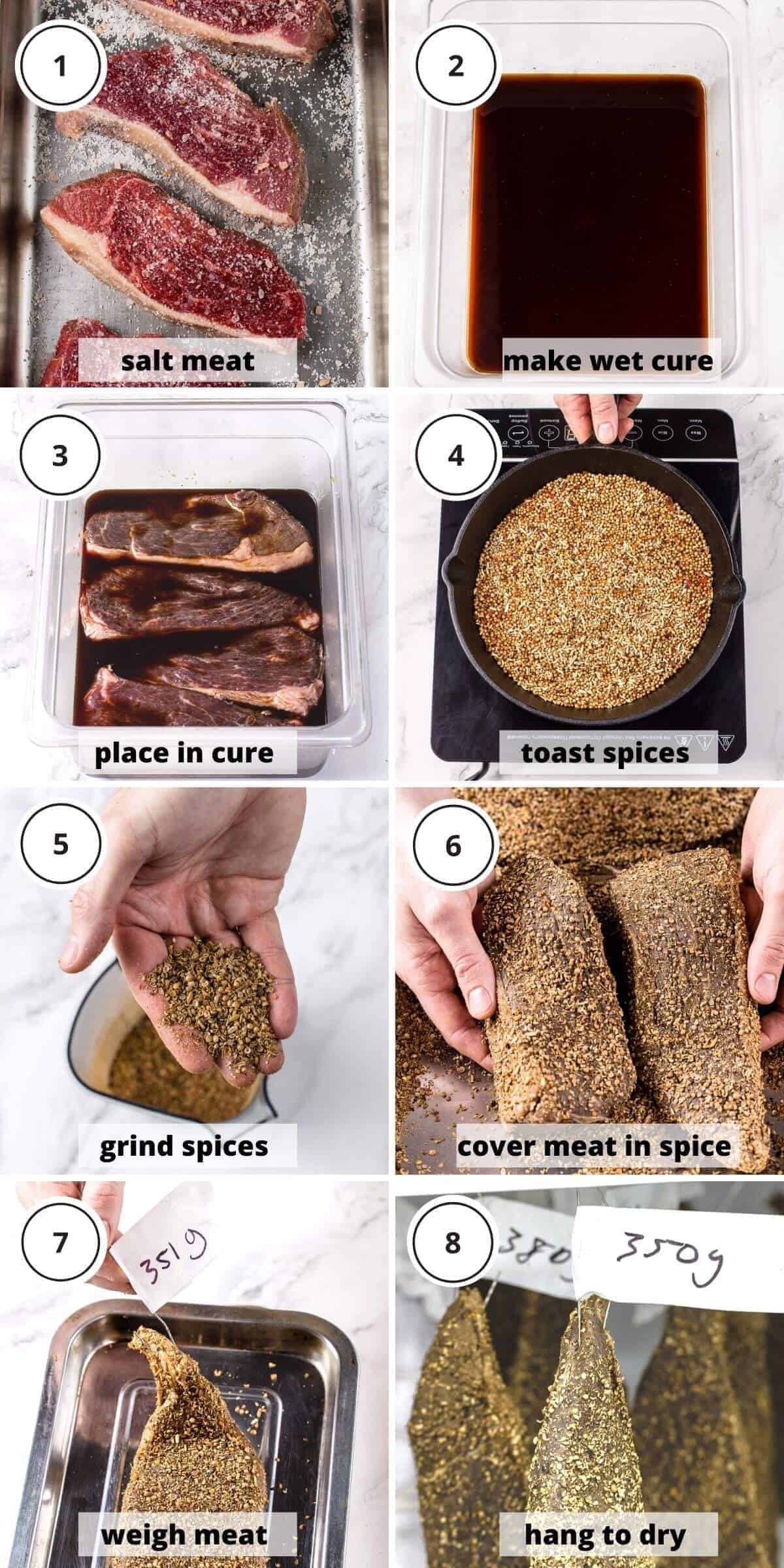
- Trim the fat to your liking. I recommend leaving it on quite a bit for the best texture and flavor.
- Cut the meat into thick pieces ALONG THE GRAIN of the meat. I rarely cut anything less than 3 cm (1.1 inches) thick. Thinly cut meat can become a bit leathery and dry, so stick to thick-cut. Cut along the grain of the meat because when you slice the biltong, you need to cut ACROSS THE GRAIN.
- Salt the meat all over and let it sit for 3 hours, flipping it a few times to make sure it is salted evenly.
- While the meat sits in the salt, mix the wet cure.
- After 3 hours, wipe off the salt, but DO NOT wash it off with water.
- Add the meat to the wet cure and let it sit for 2 hours, flipping it over twice to ensure it's evenly coated. Do this in a clean plastic or nonreactive metal container that fits the meat snugly.
- While the meat is marinating, make the spice mix.
- Toast the spices (except the peppercorns) in a dry pan until fragrant and beginning to smoke gently. We will add the peppercorns, unroasted. Remove the spices from the pan and let them cool down before blitzing them in a spice blender. Don't blitz it too fine. You want to see the different spices. Blitz your peppercorns before adding the other spices or grind them with a pepper mill.
- Optionally, add the bicarbonate of soda and give it a good mix. As soon as the froth disappears, remove the meat from the wet cure and pat it dry with a paper towel.
- Coat the meat in the spice mix.
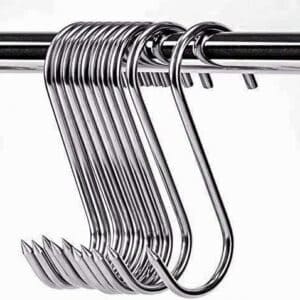
- Weigh the meat individually, place a label on a stainless steel paper clip or small plastic meat hook, and then insert the paper clip or meat hook through the meat. This is so we can hang it up and track the moisture loss by weighing it.
- Hang your meat in a biltong box or in a well-ventilated area, away from insects and animals. For most people, a balcony with a fan blowing over the meat would be the easiest. You can loosely cover the meat with a muslin cloth to keep flies away. You can also do this in a fridge, but make sure the fridge is spotlessly clean and the meat does not touch anything. This is to minimize the chances of spoilage and mold.
- Your biltong will be ready once it's lost 40% - 50% of its weight. Start weighing after about 3 days to monitor the weight loss.
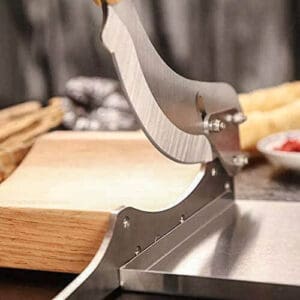
- When it's ready, slice it across the grain with a sharp knife or biltong slicer. You can store it in the fridge for weeks or freeze it for many months, closed airtight or vacuum-sealed.
Watch how to make biltong
Options for drying biltong at home
Over the years, many ways have become available for people to make cured meats at home or in small spaces.
Some people dry biltong in a dehydrator, while others use a DIY biltong dehydrator, or "biltong box" as it's often called.
The aim is to create a dry, circulating airflow so that the biltong cures correctly and efficiently.
The simplest way, if you have space and live in a dry, breezy climate, is to build a wooden frame and enclose the walls with fine-mesh wire.
When you live in a city or a humid climate, you can use one of the following proven and tested methods.
- A fridge - Make sure it's spotlessly clean and not overcrowded with food. Fridges are pretty efficient at drying out food left uncovered, and the same goes for curing meat. Don't let the meat touch any other meat or the sides of the fridge. Every part of the meat should be able to breathe and dry.
- Fan and heater - Hang your meat on a clothing rail and place a fan nearby to create good airflow. Place a heater close by if you live in a very cold or slightly humid climate. This will help dry the air and speed up the biltong's curing.
- A custom-built box - Simply a fan and a heating source in a wooden box. Make it yourself or buy it online. Many tutorials exist, but it's just a computer fan and a light bulb attached inside a wooden box. Simple and effective.
- Closed balcony - Make sure the balcony is closed but well-ventilated. Use a fan and heater if needed. Ensure that open windows have a fine mesh cover to prevent flies from getting in.
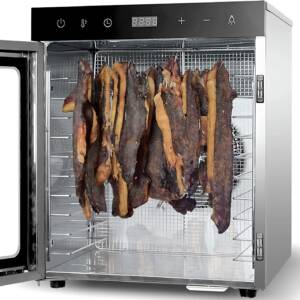
- Dehydrator - You can use a regular dehydrator for making biltong. Many kitchens I consult for have no space, so a dehydrator is often the only way, and in my experience, it works perfectly. Not all dehydrators will be suitable for big pieces, though. Set your dehydrator to its lowest heat setting or to no heat, if possible. Monitor daily to check on progress.
Making biltong in a dehydrator
A dehydrator is the most reliable option if you live in a humid climate or have no space to hang meat. The key is low heat.
- Temperature - Set it to its lowest setting, around 35°C (95°F), or to no heat at all if your unit allows it. Higher heat starts to cook the meat rather than dry it.
- Time - About 3 days for thick pieces. Start checking at day two, and go by weight loss rather than the clock.
- Flip twice a day - A dehydrator dries the exposed side faster, so turn each piece morning and night for even drying.
- Rest it after - When it is ready, vacuum-seal it and refrigerate for 2 days. The moisture equalizes from the drier outside to the softer center, and the texture evens out. This is not case hardening, which is rare with flat biltong.
How long does biltong take to dry?
Depends on the method used, but you should have ready-to-eat biltong in 4-7 days.
It's best to look at weight or moisture loss to decide when it's done.
Aim for 40% to 50% moisture loss for a wet or medium cure biltong and up to 70% for dryer biltong.
Factors affecting drying time
- Heat - It's better to dry in low heat rather than too high. The perfect temperature is 30 degrees Celsius or 86 degrees Fahrenheit. This mimics the conditions biltong dried in, when it was first invented. Biltong dried at this temperature takes about 4 to 5 days to be ready.
- Humidity - It's best to keep the humidity low if possible, but not cork dry. Otherwise, the outside will suffer from case-hardening, resulting in biltong that's soft in the middle but bone-dry on the outside. I've successfully cured biltong in as high as 70% humidity, with a fan running at full speed to keep airflow very good. The higher the humidity, the longer it takes to be ready, and the higher the chance of mold growing on the meat.
- Airflow - The more airflow, the faster it dries, but at a cost. If the air blows too heavily, it can cause case hardening in larger pieces. It's best to keep the airflow at a constant, gentle breeze.
Expert tips
- Pick good-quality meat with a nice layer of fat.
- Make sure to work clean to minimize the risk of contamination or bad bacteria.
- Cut with the grain of the meat, aiming for thick slabs. 3 cm or 1.1 inches thick.
- Use scales when weighing out ingredients. It's the most accurate way of measuring.
- Use a non-reactive storage container when soaking the meat in vinegar. Vinegar is acidic and reacts with certain metals.
- Weigh each piece of meat individually before drying so you can keep track of the weight loss. It should lose at least 40%-50% of its moisture before it's ready.
- Place a tray underneath the meat while drying. This is to catch the spices that fall off as the meat shrinks and dries.
- Don't store it in craft bags, as the meat will keep drying out. Store vacuum-sealed or wrapped airtight in the fridge or freezer.
Variations and flavor ideas
- Meat - In South Africa, biltong is made from pretty much all types of meat. Venison, game, chicken, pork, and lamb. The method stays the same.
- Spices - For bland meats like chicken and pork, smoked paprika works great. For venison and game, juniper and cloves. Lamb pairs well with coriander, rosemary, and garlic.
- Wet cure - I've tried many ways, but the wet cure is the part that gives the least flavor. However, if you add fermented fish sauce, naturally brewed soy sauce, curry paste, or adjika and increase the sugar content to balance the saltiness, you will get amazing results.
Troubleshooting common biltong issues
- Biltong too salty - If your biltong tastes overly salty, reduce the salting time or amount of salt used. It's best to use coarse salt. Fine salt will result in overly salty biltong.
- Preventing and removing mold on biltong - To prevent mold, ensure good airflow, low humidity (below 60%), and wipe any mold immediately with vinegar. Discard heavily molded meat to avoid health risks.
- Preventing case hardening - Case hardening (hard outside, wet inside) occurs due to rapid drying. Use gentle airflow and moderate temperatures. If hardened, store meat in a vacuum bag in the fridge for a few days to balance the moisture. Biltong naturally has a harder outside crust, but this should not be mistaken for real case hardening, which is rare and more common in larger cuts of cured meat like bresaola.
- Wet or soft in the middle - The outside dried faster than the middle could catch up, which is common in a dehydrator set to a high temperature or under strong airflow. Vacuum-seal the piece and refrigerate it for 2 to 3 days so the moisture redistributes from the outside in. The texture evens out. It is not case hardening, which is rare with flat-cut biltong as mentioned before.
- Drying in a hot, humid climate - High humidity slows drying and increases the risk of mold. Keep a fan blowing across the meat, cover it with muslin to keep insects away, and expect it to take longer. Aim to keep the surrounding humidity below 60%.
Frequently asked questions (FAQs)
Typically 4-7 days. Check for 40-50% moisture loss for "wet" biltong and up to 70% for dry.
Store vacuum-sealed or wrapped airtight in the fridge (1-2 weeks) or freezer (several months). Avoid storing in open bags.
Yes, venison, pork, lamb, chicken, and game meats work well. Adjust spices accordingly (e.g., juniper berries for game).
Basic equipment (a fan, hooks, airtight containers, and kitchen scales) works perfectly. Consider a biltong box or dehydrator for controlled drying conditions.
No. Salt and vinegar do the curing on their own, and most biltong is made without it. If you want extra insurance for safety or longer storage, add Prague or pink curing salt at no more than 1% of the meat's weight, mixed in with the salt.
Jerky is sliced thin, cooked, and usually smoked. Biltong is cut thick along the grain, cured with salt and vinegar, and air-dried raw. The result is more tender and tastes of beef rather than smoke.
About 3 days at 35°C (95°F) for thick-cut pieces. Start checking on day two and flip the pieces twice a day to ensure even drying.
Coarse, non-iodized salt is best. If you only have fine salt, cut the salting time down and rinse it off with water before the cure, or the biltong will come out too salty.
Keep the salt at about 6% of the meat's weight, and scale the cure and spices accordingly. The drying time stays roughly the same, since it depends on thickness, not total weight.
Useful equipment for making biltong
Making biltong does not require a load of fancy equipment and many DIY methods are available online.
However, it's nice to have everything you need instead of having to buy stuff on the go.
Here are a few items that will make your life easier.
More cured meat recipes
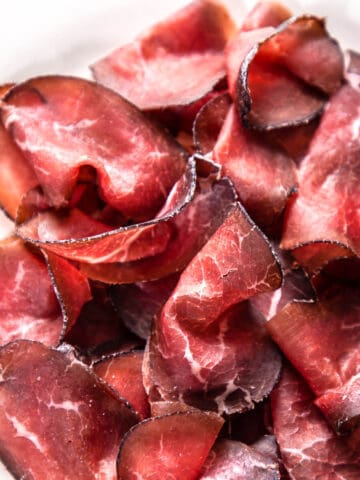

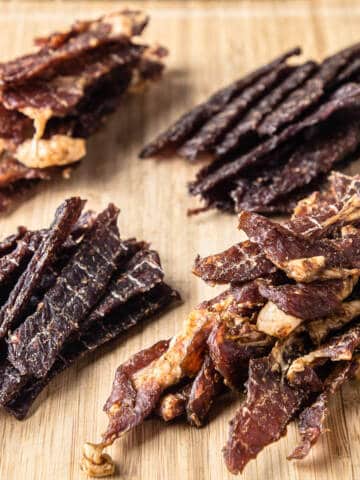
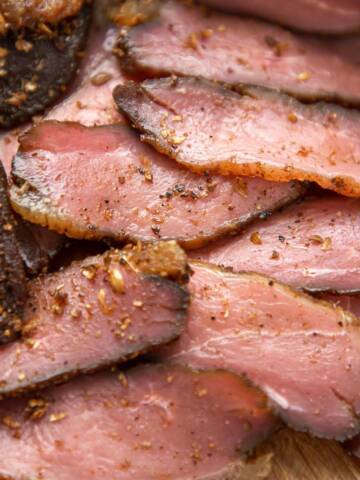
More South African recipes
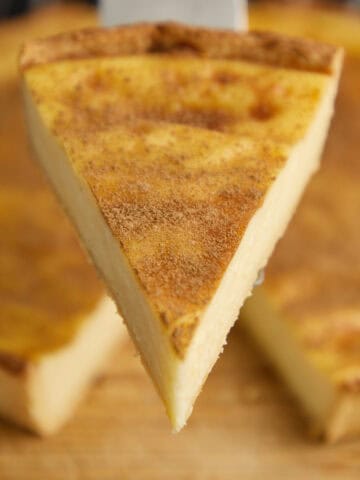
If you found this recipe useful or have more questions, please leave a comment, rate the recipe, and subscribe. Follow me on social media for more delicious recipes.
Recipe
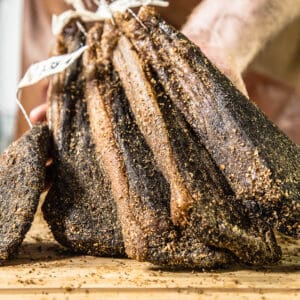
Ultimate South African Biltong Recipe
Ingredients
For the meat
- 2000 grams (4 ⅖ lb) top rump - or topside with plenty of fat
- 120 grams (⅖ cups) coarse sea salt
Wet cure
- 120 grams (½ cups) red wine vinegar
- 120 grams (½ cups) Worcestershire sauce
- 60 grams (¼ cups) honey
Spice mix
- 40 grams (½ cups) coriander seeds
- 20 grams (⅕ cups) fennel seeds
- 4 grams (1 tablespoon) chilli flakes
- 10 grams (1 tablespoon) black peppercorns
Optional
- 6 grams (1 teaspoon) baking soda - optional

Instructions
Prepping and salting the meat
- Cut the meat into 3cm or 1,1-inch strips along the grain of the meat. Trim off silver skin, connective tissue or any unwanted fat but I suggest you leave the fat on for moisture and flavour.
- Sprinkle the salt all over the meat including the sides.
- Let it sit for 3 hours in the salt flipping a few times to ensure even salting.
Wet curing
- While the meat is salting mix together all the wet cure ingredients.
- Once the meat has salted for 3 hours, rub off the salt but don't wash it.
- Place the meat and the cure in a fitting non-reactive food-safe plastic or ceramic container.
- Let it marinate for 2 hours turning the meat a few times to ensure even marination.
Spicing
- While the meat is marinating, toast the coriander seeds, fennel seeds and chilli flakes in a dry pan on medium heat. Do this in a well-ventilated kitchen.
- As soon as the spices are nicely toasted, slightly smoky and fragrant, remove them from the pan and let them cool down completely.
- Once cooled, blitz the spices in a spice grinder or pestle and mortar until nicely broken up but not too fine. You want to be able to identify the different spices.
Optional addition of soda
- Optionally add baking soda to the meat along with the marinade and give it a good mix.
- It will froth as the acid reacts with the soda.
- As soon as the froth has settled, remove the meat from the marinade and pat it dry with a paper towel. Throw the marinade out or use it to marinade other meats. Just remember the acid has been slightly neutralised in the mix so you need to add more vinegar if you want to make another batch of biltong.
Hanging and drying
- Cover the meat completely in spices making sure to get it into every nook and cranny.
- Put a small meat hook or paperclip through the meat with a label attached to it.
- Weigh the meat and write it on the label. This is so that you can track the moisture loss and know when the meat is ready. Aim for 50% weight loss. This should take around a week but start monitoring it after 4 days.
- Hang the meat in a well-ventilated, dry-air, warm environment(close to 30°C or 86°F) protected from insects and animals.
Removing and storing
- Once the meat is ready remove the hooks. It's now ready to slice thinly with a sharp knife.
- Store wrapped airtight or in vacuum bags in the fridge or freeze for longer storage.
Video
Notes
- Salt - Use coarse, non-iodized salt at 6% of the meat's weight. Fine salt cures faster and oversalts, so if it's all you have, salt for less time and rinse it off before the cure.
- Salting and curing time - Three hours in the salt, then two hours in the vinegar cure. You can leave it longer in the wet cure for a more pronounced tang.
- Scaling - Set the servings to the weight of your meat in grams and everything scales with it. Keep the salt at 6% of the meat weight at any batch size.
- Vinegar - Red wine, brown, or cider vinegar all work.
- Spices - Toast them first to bring out the flavor.
- Thickness - Cut thick, 2 to 3 cm or about 1.1 inches, along the grain for even drying. Slice thinly across the grain to eat.
- Fat - Leave a layer on for flavor and texture, or trim it if you prefer.
- Drying - Aim for 30°C or 86°F, 50 to 60% humidity, and a gentle, constant breeze. Pull it at 40 to 50% weight loss for wet biltong, up to 70% for dry.
- Dehydrator - Use the lowest heat, around 35°C or 95°F, flip twice a day, and rest the finished biltong vacuum-sealed in the fridge for two days.
- Storage - Keep it airtight or vacuum-sealed in the fridge or freezer. Avoid paper bags, which dry it out further.
- Safety - Work clean throughout to avoid contamination.
Nutrition
This recipe, and 109 others.
Everything I actually cook, organized in one book, with the exclusives that never made the blog and an online edition that behaves with flour on your hands. No ads. $19.99, yours for life.
Get the cookbook →This site contains affiliate links. I may earn a tiny commission on qualifying purchases at no extra cost to you. By bookmarking these links you help support the upkeep of this site.

Summer says
Thank you for this awesome recipe, tastes just like the biltong I had in Botswana, love it!
However my meat was dried at 45% dry level, but some of them are still little dark red in the middle. I ate some of it, they are more tender than the darker meats, but just wondering is it normal or should I dry it more?
Charlé Visser says
All good. Store in fridge if it's not completely dry.
J says
Excellent
Anonymous says
Hello,
Instead of portions, can you add an option to input meat quantity (in lb or grams) so that the recipe can show the spices accordingly?
Thanks
Charlé Visser says
Could code you a little calculator if you want one. drop your email.
Jen says
Easy instructions, and delicious outcome. Everyone is enjoying this recipe. Thanks Charlé! Looking forward to testing out all your other recipes online.
Anonymous says
Hi Charlé,
I’ve just started the salting of the beef, but was wondering if I could add the vinegar the following day, as I’m strapped for time. Would this make the beef too salty?
Charlé Visser says
rinse off the salt, pat it dry, then store in the fridge until the next day, when you are ready to add the vinegar.
Inna says
Made this recipe this week .
I'm hooked !!!! The spice is insane= like crack . I’m ready to make another batch .wonder if pork will work as well?
Jack says
Another batch hanging now, out go/to recipe now, with a little more black pepper, top notch biltong.
Kyra Stolp says
Hi! First time biltong maker here and I used this recipe which was fantastic, however slightly too salty (we will be reducing the salt a little bit next time ) Following each step has been easy, however, what is the purpose of adding the soda? I did not do this step, but I am curious as to what affect this has? Does it make it a little less salty? Thank you for this great recipe!
Charlé Visser says
Soda slightly neutralizes brings down the acid to balance it while adding a mild anti mould property. It also helps to tenderize tough meat. In Chinese cooking this is known as silking although applied slightly differently. If you get a great result without then don't use it. It's not traditional or widely used.
Sean Timothy Greene says
I've just finished drying my second batch ...... lekker! I've got to say that this is the best biltong ever - thanks man! I couldn't stop eating the first kilo, so I made 3 kilos this time so it lasts longer.
I modified the dryer by putting a DC controller on the computer fan so I can control the fan speed, and I put a fan dimmer on the light so I can control the heat output - this gives me a great deal of control on the drying process, three to four days seems ideal.
thanks again!
Sean Greene
Adam says
Thank you Charlé! This truly is the ultimate biltong recipe. I have used it about 6 times now and everyone loves the result.
Evgeny says
Hello! Can I use dry age machine for this beef recipe?
Charlé Visser says
Евгений, если вы имеете в виду дегидратор, то да. минимальная настройка 3 дня и должен быть готов. дегидратор не должен быть на высокой температуре. Минимум. Обычно это 35С.
Nadia_Lawson says
Are you tired of the same old beef jerky and wondering if biltong could be the superior dried meat snack? With its unique curing process and delicious flavor, I reckon biltong reign supreme in the world of dried meats! Share your thoughts and experiences with both jerky and biltong please!
Kyle says
Clear and concise instructions. Thanks.
Anonymous says
Hands down this is some of the best biltong I've eaten! Followed your recipe to the letter. If you're reading this recipe just do it! Thank you so much Charle!
Sharon says
I'll come back to rate once I've made it. A quick question please. I just recently made my first batch of biltong which turned out really tasty but since your rice recipe changed my life I simply must make your biltong.
I had previously mixed the salt, vinegar, sugar & Worster and marinated for 24 hours before the dry seasoning. Is their a scientific reason you salt first then marinade, just curious to know please and thank you.
Charlé Visser says
I salt first to draw moisture from the meat and salt the meat at the same time.
I add the vinegar marinade after to drop the ph.
I don’t like the “mix everything together” approach as much.
My family used to make it that way and there’s nothing wrong with it, but if you follow the short salt and marinade version, it will lead to the best biltong you ever tasted.
Taste and texture are both superior.
Enjoy!
Sharon Ray says
Thanks so much for your quick response and explanation. Ordering the rump and making on Sat. Super excited!
John says
Hi,
I haven't made it yet but I'm keen. I'm just wondering why the wet mix is measured in grams and not millilitres?
Thanks,
John.
Charlé Visser says
Because the recipes are professionally made, it uses grams for accurateness. A measuring beaker can lie. Scales don't.
Greg says
Great Biltong recipe. Perfect from first batch. A Biltong box for curing makes life much easier
Meghan says
Great recipe, works every time!
Dwane says
Hello mate! Are there any special settings you’d recommend if I intend on using a dehydrator with your recipe?
Charlé Visser says
We use dehydrators in the small kitchens set to 35C and then we flip the biltong twice a day. Once done, we vac pac it tightly and leave in the fridge for 2 days before using. This is because the outside dries a bit quicker with the dehydrator so we just equal out the moisture a bit. It’s not case hardening so don’t worry about that. Case hardening in biltong is quite rare because the pieces are flat. More common in large cured stuff like pig legs and coppa.
Blerta Berisha says
Is there a substitute for wine and if outside temperatures are in the range 25 c to 28c can that be hang outside ?
Thank you
Charlé Visser says
There's no wine needed. Just vinegar. That temperature is fine as long as there's good air flow.
blerta berisha says
I was planning to hang it in balcony and cover it from insects with mazlin temperature at the moment in Australia is 25 degrees C to 30c !
In this temperature would the meat get spoiled?
You are amazing such a quick response love your work
Charlé Visser says
Will be fine with good ventilation.
Jack Murphy says
How long in the dehydrator? Or still going off moisture loss?
Charlé Visser says
Moisture loss is very specific. I do 3 days and that’s how I like it.
Morph says
Hi. Using a dehydrator at 35-40 degrees, how long does it take? Thanks
Charlé Visser says
3 days depending on the meat size. check it after two days.
Paul says
Hi, I just wanted to clarify if the meat is salted for 2hrs ( prep stage ) or 3hrs as quoted in the next stage?
Thanks
Charlé Visser says
Two hours in the salt, then 3 in the marinade.
Derek Hewitt says
Hi Charle: I live in Miami where it is hot and humid and the temperature even in Fall is usually over 85 degrees f. I plan to hang the biltong on my porch, suspended inside a muslin bag (to keep out goggas), underneath a rotating ceiling fan with a lightbulb that emits a small amount of heat. Last time I did this, it worked ok, but the texture was not exactly right.
Also, I note in your video that your cut the meat into broad steaks, whereas I have previously cut the strips along the grain but thinner. They dry quicker but is it better to go with the broad pieces?
Charlé Visser says
Derek,
Thick cut will give you the best texture. If the the strips are too thin they might end up a bit tough. Also, once done, ask a local restaurant if you you don't have one, to vac pack the biltong tight and leave t in the fridge for 3 days. It evens out the moisture and the texture is perfect.
Bob Hardy says
Looks good going to make this
Shags says
I have an Anova Precision Oven which can dehydrate meat at that exact temperature and humidity. I can't wait to try your process in that device. So glad I found your post!!
Mark Hubbard says
BTW Charlie, have you ever used a pre-mix call Crown Mills now Crown National? My dads buddy from South Africa used to make it using this pre-mix spice and it was unbelievable. He did use 3/4 tablespoon of pink salt in his wet marinate.I'm going to try and add fennel. your thoughts?
Charlé Visser says
Sure thing. Add a pinch of pink salt if you want. Used it before when I had to go on a long hike. Keeps it from spoiling a bit longer than simply salt and vinegar. I never like the pre-mix because they add some flavouring too, but that's just me. Many folks do love it and that's cool too. The fennel and chilli is very much an inspiration that came from Italian cured sausage I had. Works as well as any classic flavour combination.
Cheryl says
Hi Charle
This recipe looks fantastic, very new at all of this.
Would love to try this.
Was wondering if you could give me ingredient amounts for a 2kg silverside.
Best wishes
Charlé Visser says
This recipe will still work for that but make sure to use 6% salt still.
Mark Hubbard says
About to start my first batch, will let you know how it turns out. I'm really big on prep, usually going from the end forward then back from beginning to end. For cutting after dried, may I suggest a $125 band saw, makes quick work, but only use it for your Biltong.
Andy says
I've just made my first batch and it's fantastic! Any advice on how to infuse a bit more chili flavour into the meat for a bit of extra kick. Would a little chili powder in the wet marinade be OK or would it ruin it?
Charlé Visser says
Happy you like! Yes you could do that or you could grind the chilli flakes a bit and add more. Another way is to rub the biltong with very hot cut chilli then add the rub.
Ryan Hemphill says
Hi Charle, what do you use to sharpen your knives and what knoves to you use?
Charlé Visser says
Wet stones and ceramic steels. I got a bunch of knives. From costly handmade stuff that is not practical to my favourite 20 dollar knives with no branding. MAC is good if you're looking for good price/quality.
Trevor Choram says
Hi can I make biltong with Bush pig
Charlé Visser says
Sure thing
Sebastian says
I love this recipe. Have tried others but always come back to this recipe by Charle.
You got me addicted to making my own biltong. One question I would like to ask is how do you make chutney biltong flavour.
Thanks Sebastian.
Stephan Pekridis says
Absolutely brilliant!!! Really awesome recipe!! Thank you for the time you have put into the presentation!!!
Bill says
I live in the United States and I want to try curing some different meats. A Link to this webpage was sent to me by a friend in South Africa and it looks delicious. This will be the first curing recipe I will try, but I will be using a refrigerator dedicated to this and I will keep it around 12 Celsius, with a fan inside and a device to monitor humidity. I do not mind waiting 2 or 3 weeks. Your tutorial is very good and your recipe looks amazing. My South African friends say Biltong is superior to Jerky in every way and if that is true, I can't wait to try this. Thank you!
Zane Laurent says
It was my 1st time ever making biltong. I followed all your instructions, to the tea!
The result was... AWESOME!!! WHAT AN AMAZING TREAT!!! By far the best biltong I have ever tried! My wife cant stand biltong, never has, UNTIL NOW! She actually liked it and that was fantastic! I was able to share it with my friends and everyone really loved it. I will do it again for sure!!
Just wanted to say, THANK YOU so kindly for sharing this amazing recipe! Its the bomb!!
john swinkels says
I use the same recipe also and my wife loves it and unfortunately, the dog is now addicted.
Gareth says
I have looked at many different recipes and I think this sounds like the best. Thank you very much for sharing it. I have made some cured hams in the past and used Prague curing salt in the wet cure. Do you ever use pink curing salt when making Biltong? If not why not and if you do how much and how would you put it into the process.
Charlé Visser says
You can use curing salt. Don't use more than 1% Prague/pink salt to the weight of the meat. Mix it with your salt and add as instructed. I've used it in the past but try and use as little curing salt in my food as possible. Especially biltong that can in most cases do without it. With that said if you want an extra guarantee for safe meat then use it by all means.
Anonymous says
Thank you very much. I ended up doing this without the pink salt and it is a great recipe. Thanks again
Deborah says
I do a quick fry with my roast whole cut of the cooked parts for stir frys then it has no bacteria.
Bianca says
Thanks for this recipe. After 20 years in London my husband is still addicted to biltong and so are our kids. So tried your recipe and loved the results. I use a food dehydrator and initially got biltong that was a bit wet on the inside. Another day in the dehydrator fixed that. I used a good amount of salt the first time but it wasn’t enough, then used the same amount but only wiped off a small amount. Now I tried the amount in your recipe but it looked way too much. The only difference is that I'm using fine salt. Would this impact the saltiness?
It would be great to see close up photos of how to get rid of the silver parts on the meat, or a general carving video.
Charlé Visser says
You want to use coarse salt. If you only have fine salt then salt for less time and wash it off with water.
Kim says
Keen to make biltong
Just clarify
When letting meat sit in spices for time required leave on bench or refridgerate it while prepping??
Have Sth African Handy Man
May suprise him with some.
I gave him & lady friend bottle of my Worestershire sauce
Won 3rd prize Royal Adelaide Show Australia & 1st prize 2023.
Kim Hervey Bay Queensland
Any Shito Recipe?
Worked with Ghania lass when we doing Commercial cooking course 2014 We traded I made Harissa for her She made Shito for me alas I have moved states.
Charlé Visser says
Bench is fine.
john swinkels says
Hi Andew looks lekker my last batch using another recipe (my first) was too salty 1.4 tbsp per kilo for 24 hrs. but it was very good. The author gave me a tongue lashing because I added fennel which was awesome just not to much as it is so strong and I used worcheshire sauce. So before I try your recipe I have a question, in the recipe for salting you say 2 hrs yet the video says 3 hrs and for curing recipe 2 hrs video 1 hrs. Can you please advise.
Charlé Visser says
Fennel is the way forward. Fixed that for you. It's 3 hours salting and 2 hours marinating. Don't worry too much if you leave it longer in the wet cure. You can go up to 6 hours before adding the baking soda if you're using it. The longer you leave it in the wet cure the more the wet cure flavour will be there in the end product. For me, 2 hours is good for maximum beefiness while the cure does its job.
john swinkels says
Thank you Charlie I have sourced 5kg of topside for the next batch and I agree fennel is awesome just got to be careful about my salt intake as I now make a lot of billtong cold smoked salmon and kimchi. Anyway I reckon your recipe is the best I have come across.
Charlé Visser says
Your house seems like the place to be) Thanks!
Anonymous says
Have just bought 6.4 kg of topside and am ready to go again this time I will not hand it out maybe a little bit because it had a 100% approval which I thank charlie but it cost me 100 dollars to buy. and our Government go in and kill deer yet we cant. This is a great recipe but being the experimental person that I am I am considering two-hour smoke I do bacon and Pancetta for 8 hrs and its great. Buddy a bit of input would be appreciated.I will start tomorrow.
cheers
john
Charlé Visser says
Sounds like a good time is coming. Cold Cold smoke it for a short time like 30 minutes just to get a hint on it. If you like very smokey then go for longer but you will lose some of that pure meatiness a bit if you smoke it a lot. I’ve added liquid smoke to my brine in the past. Worked well…
john swinkels says
Well just an update since this is my third attempt which I followed to a Tee. As I did 6.4 kg of topside and at the last minute decided to not introduce any smoke on the grounds it should be kept original. I have one question this batch had lost a little bit of the Worcester sauce and vinegar flavour as I added bi-carb of soda to the mix. I use an ex- wine barrel which doubles as a cold smoker and biltong maker. I use a 275 w Infra red lamp for heat connected to a inkbird temperature controller and a computer fan controlled by a light dimmer to give me the perfect environment. This is by far the best recipe I have ever used the salt content is perfect.
Johann Botha says
Used your recipe with some wildebeest, and the only change was adding some allspice berries to the dry herb mix. I'm used to seeing brown sugar instead of honey in most recipes, but its a good change and something I will use going forward. Dankie!
Deon Mouton says
Very well said Charle
Andrew says
First time making the biltong. Recipe was easy and the result was tasty. Warning this recipe may lead to the purchase of a biltong slicer.
Brad B says
Hello I would like to try this recipe how does it work on elk or deer meat they might be to lean
Charlé Visser says
Sure can. Game biltong is delicious.
Tanja says
I live in Alaska and our house and garage stay about 66°F. Would a box with heat source be the best way to go to make biltong for us up here or can it be done with this colder temp?
Charlé Visser says
If you want it quick and don't want to wait too long put it in a box. If you are happy waiting a few weeks then the low temp is good and you'll get a very good product.
Mitch says
Tanja, I live in Colorado (low humidity) and just hang my biltong in the garage with a fan blowing it. If I cut it thin (1/4”) it can be ready within 36 hours.